
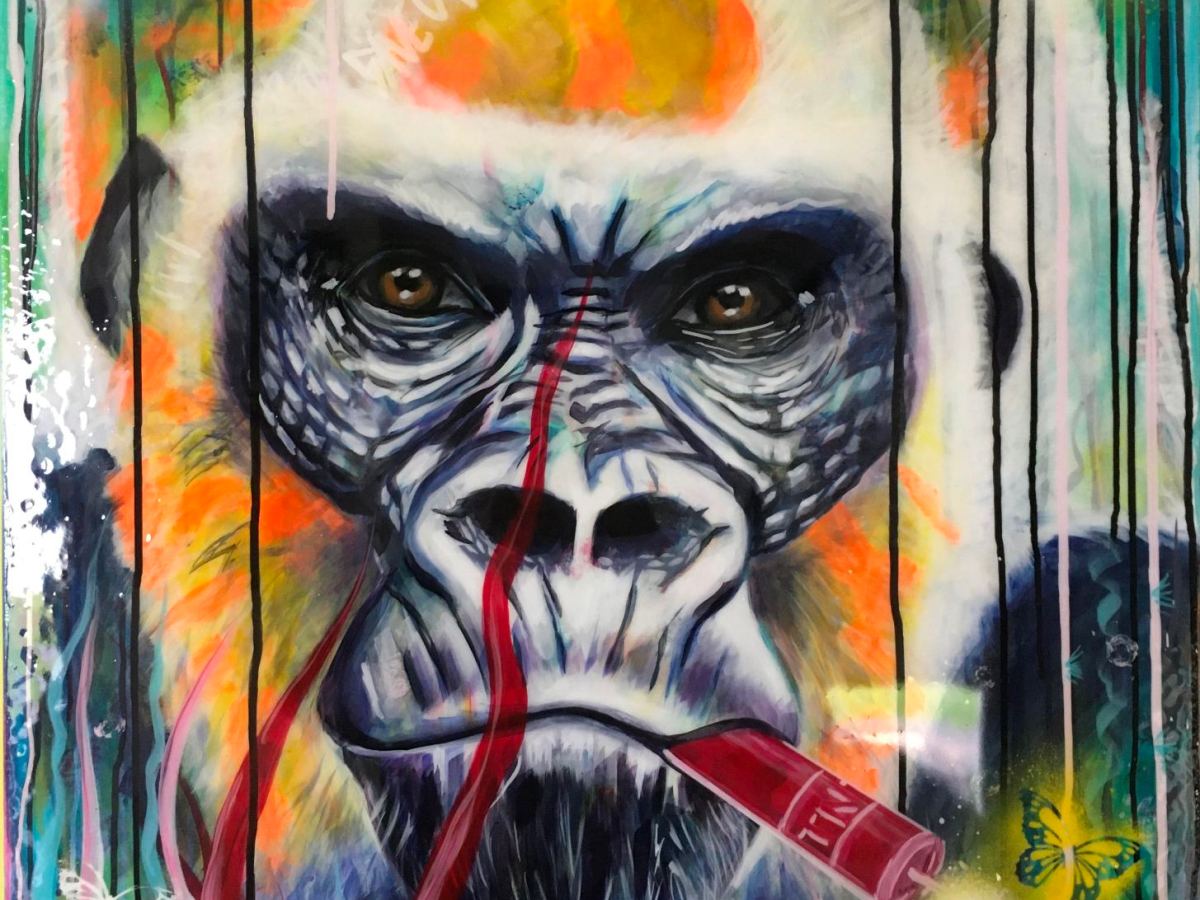
…Now Featuring… Artist Bruno Degrenne @ NO MIDDLEMAN ART GALLERY
Bruno Degrenne’sPortfolio © Bruno Degrenne
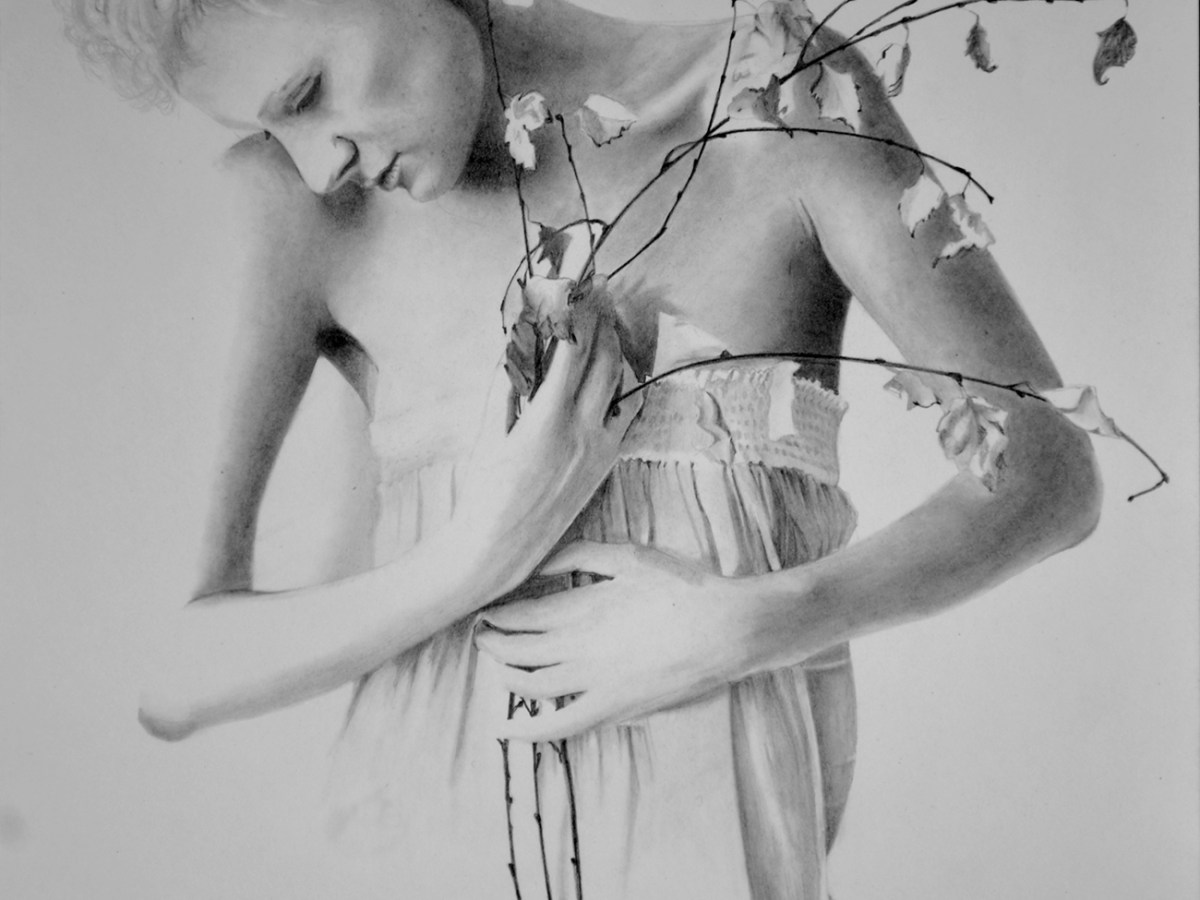
…Monthly Portfolio Selection… Artist Alexander Boytsov @ NO MIDDLEMAN ART GALLERY
Alexander Boytsov’sPortfolio © Alexander Boytsov
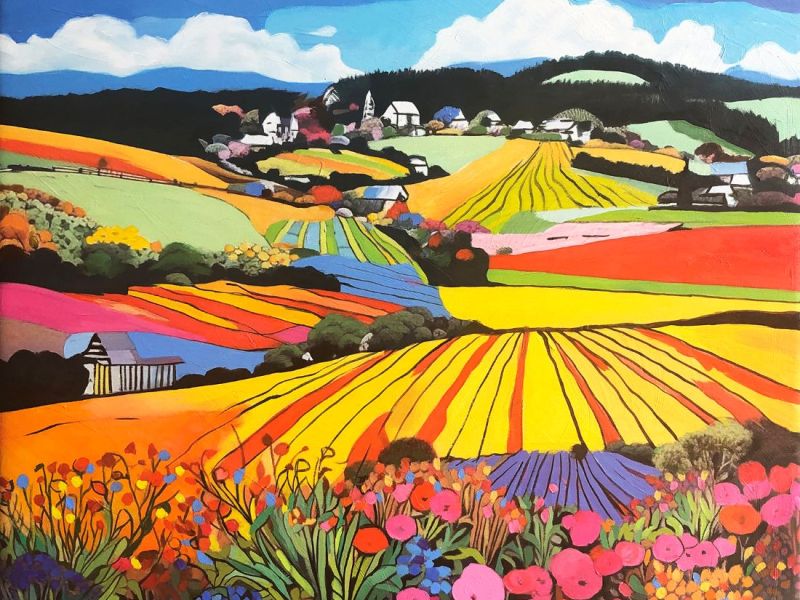
Now Featuring… Artist Bondero @ NO MIDDLEMAN ART GALLERY
Bondero’sPortfolio © Bondero

Handprints To AI Art Series – Romanesque Art: When Stone Became A Language
The walls of Romanesque churches were not simply built to contain a religious space. They became surfaces for telling stories, teaching beliefs, displaying sacred figures, and shaping the experience of everyone who entered. Between approximately 1000 and 1200, Romanesque art spread across Western and Central Europe, with important regional differences in England, France, Italy, Spain,…

…Monthly Portfolio Selection… Artist Bridget Bradley @ NO MIDDLEMAN ART GALLERY
Bridget Bradley’sPortfolio © Bridget Bradley
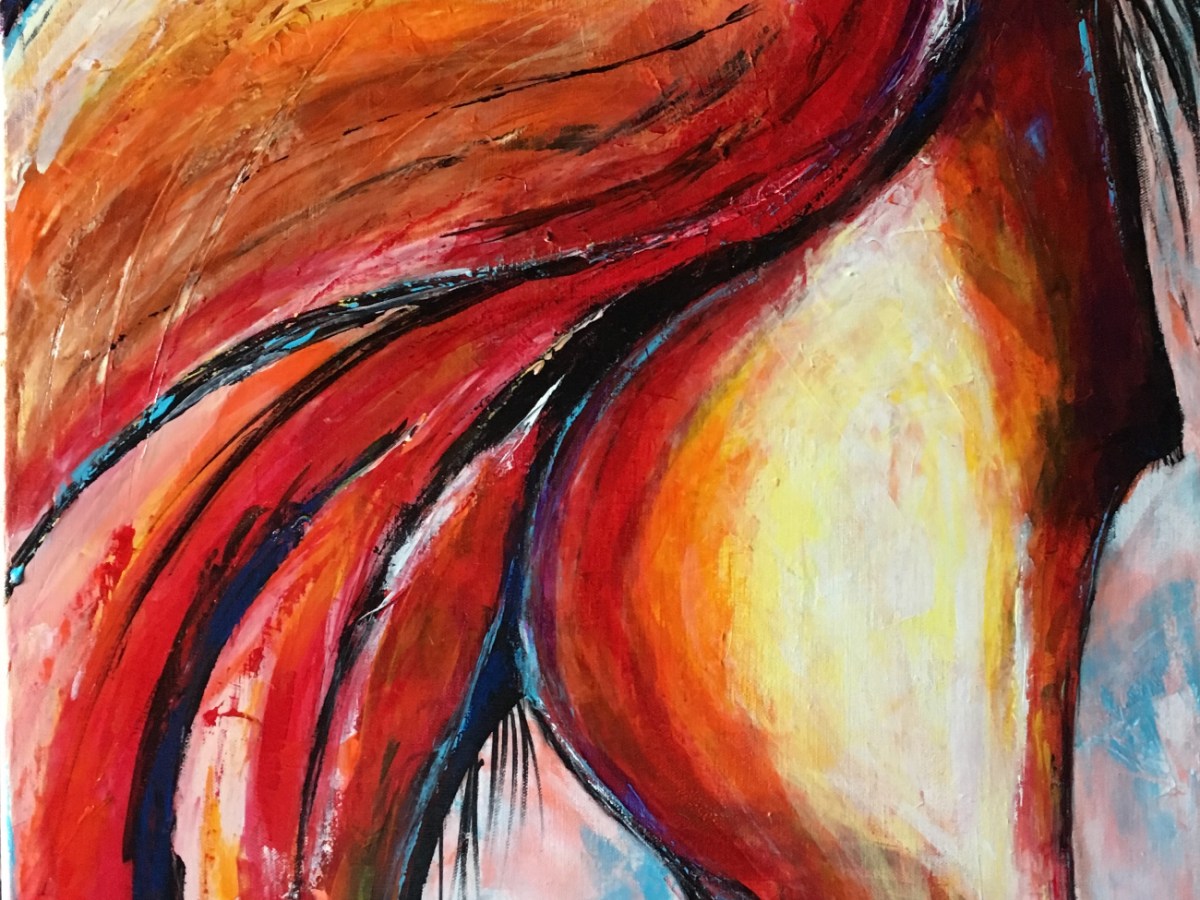
…Now Featuring… Artist Francoise Augustine @ NO MIDDLEMAN ART GALLERY
Francoise Augustine’sPortfolio © Francoise Augustine
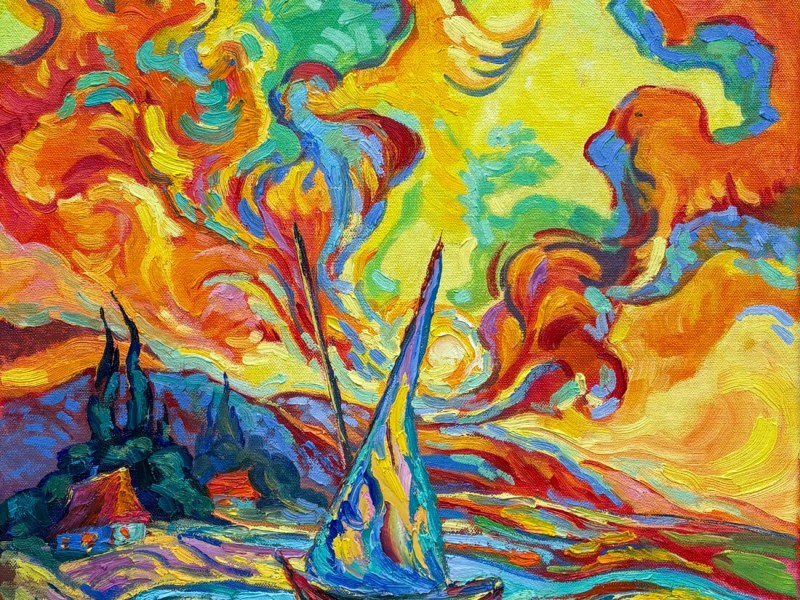
Now Featuring… Artist Vitaly Leshukov Soldatov @ NO MIDDLEMAN ART GALLERY
Vitaly Leshukov Soldatov’sPortfolio © Vitaly Leshukov Soldatov
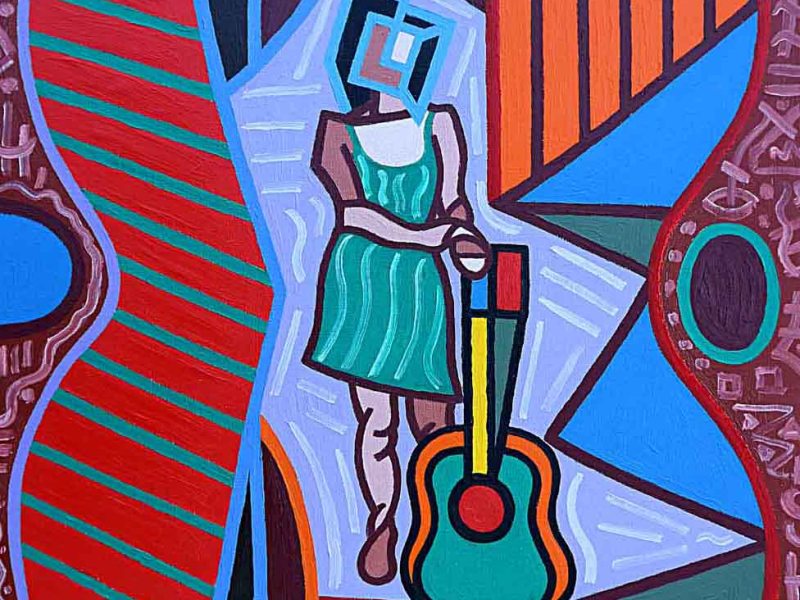
…Now Featuring… Artist Patrick J. Murphy @ NO MIDDLEMAN ART GALLERY
Patrick J. Murphy’sPortfolio © Patrick J. Murphy
Handprints To AI Art Series – Islamic Art: The Artists Behind The Luxury
Behind the magnificent objects of Abbasid art were skilled people whose names were often less important to the historical record than the workshops in which they worked. The surviving evidence shows an art world organized around specialized production, court patronage, commercial workshops, and demanding technical knowledge. Artists in the Islamic world generally did not work…
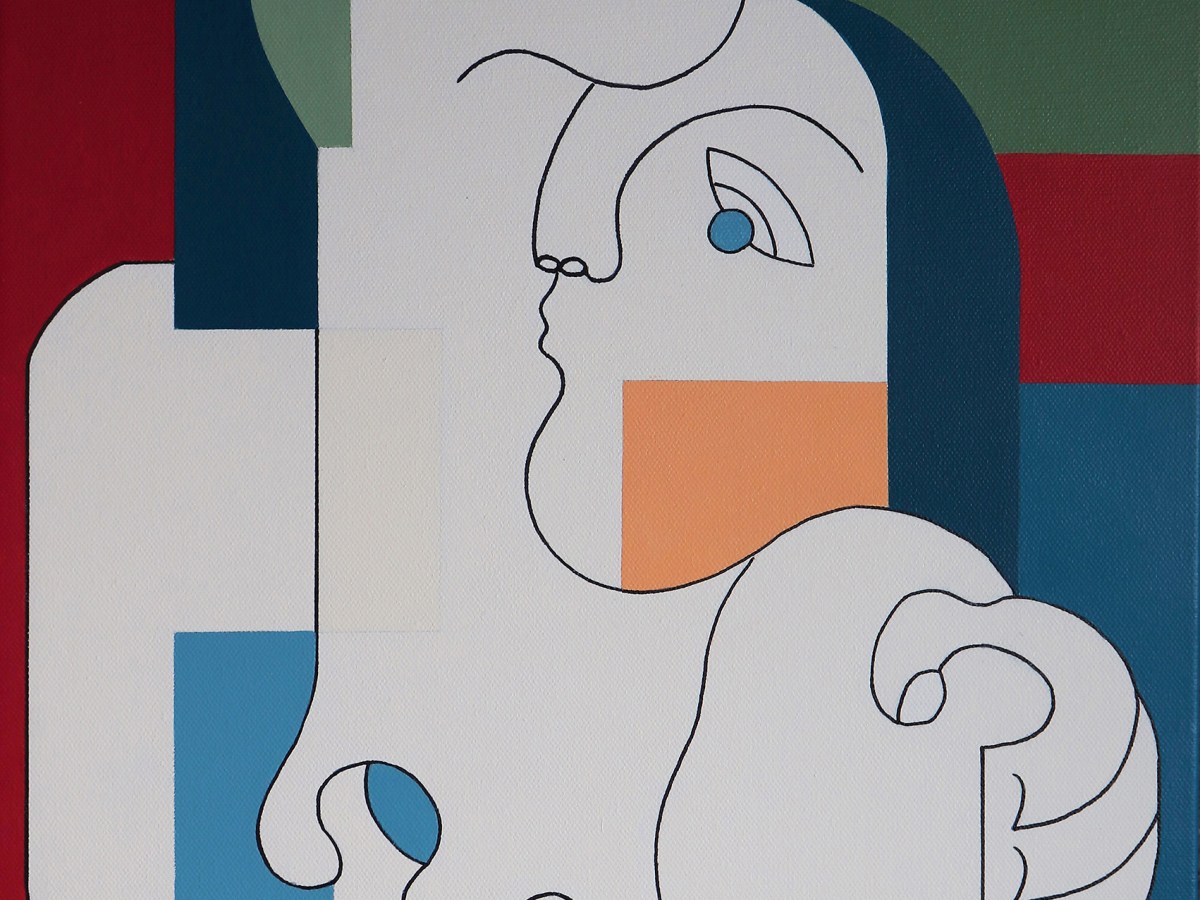
…Monthly Portfolio Selection… Artist Hildegarde Handsaeme @ NO MIDDLEMAN ART GALLERY
Hildegarde Handsaeme’sPortfolio © Hildegarde Handsaeme
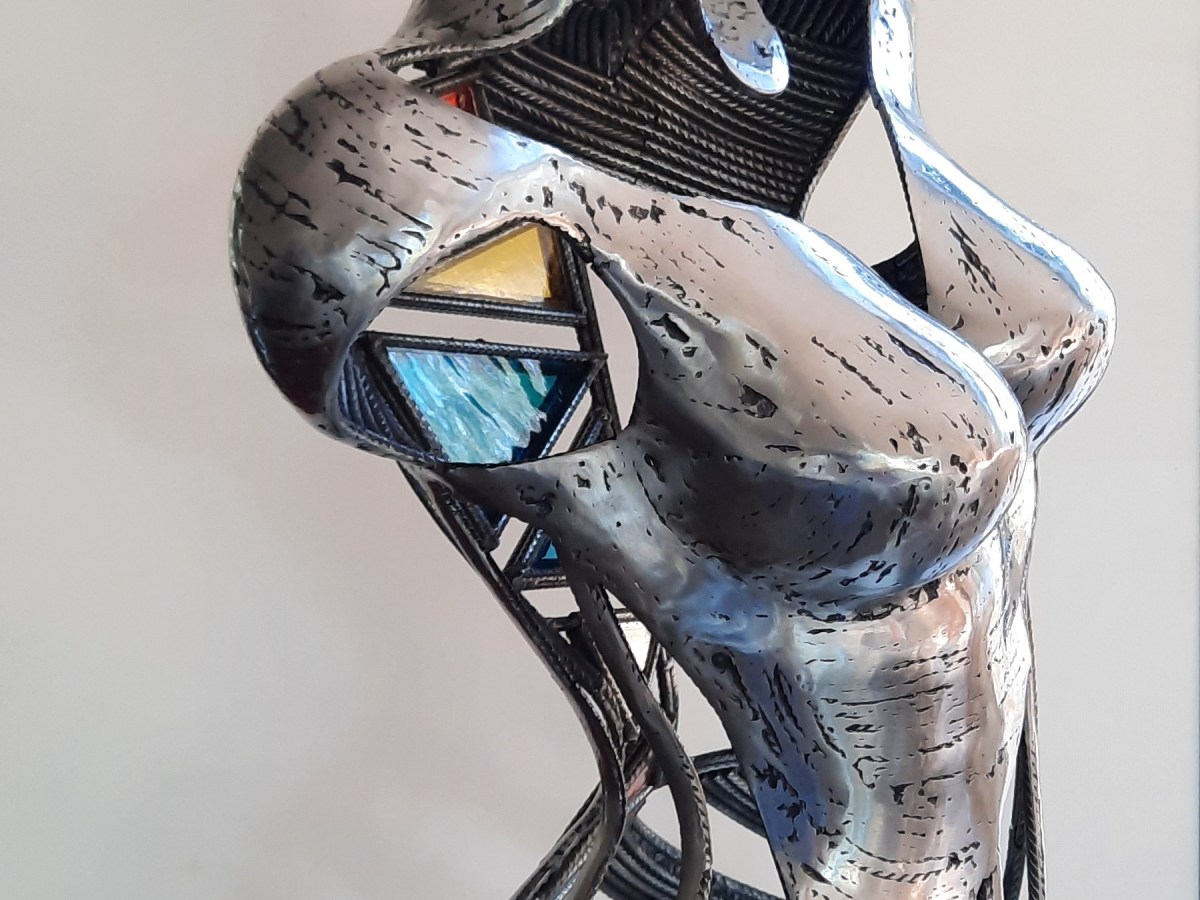
…Monthly Portfolio Selection… Artist David Fabié @ NO MIDDLEMAN ART GALLERY
David Fabié’sPortfolio © David Fabié
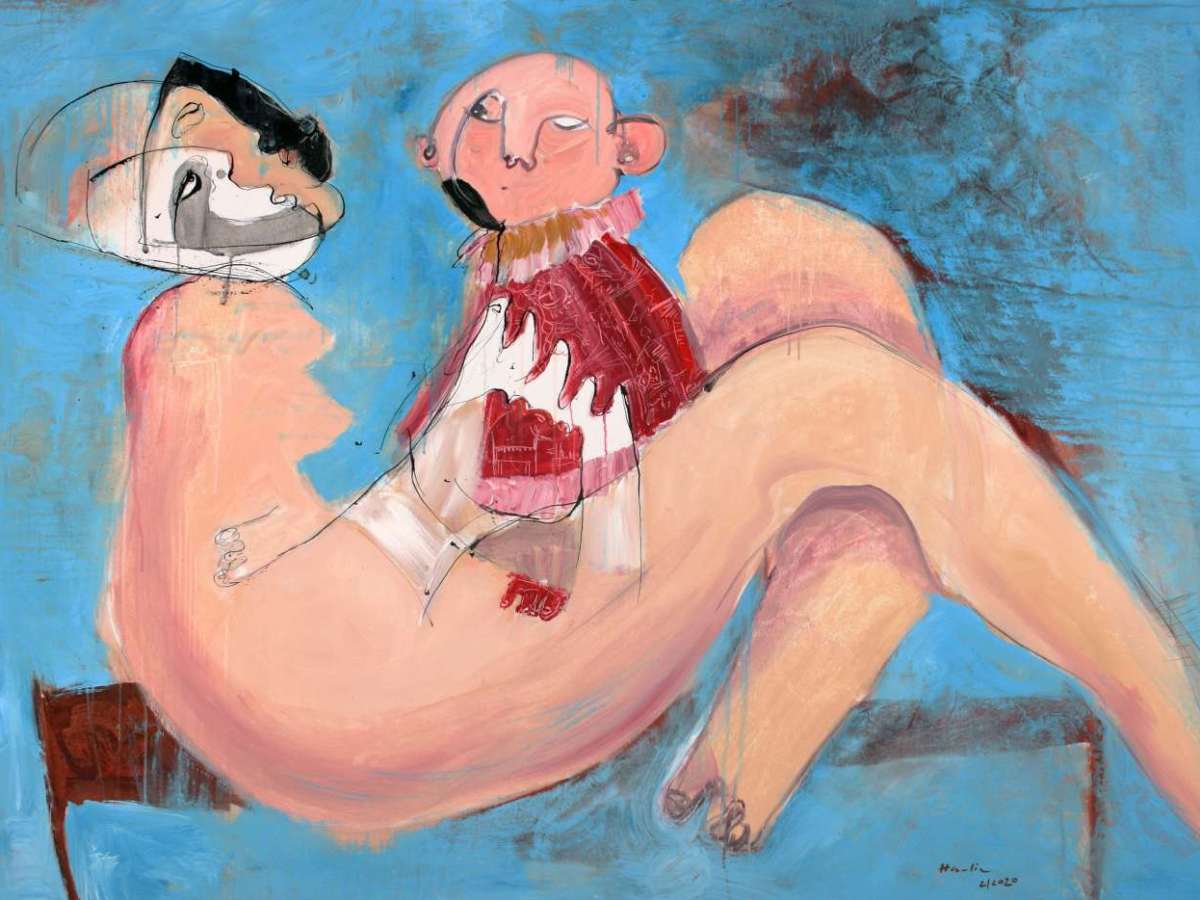
…Monthly Portfolio Selection… Artist Jiri Havlik @ NO MIDDLEMAN ART GALLERY
Jiri Havlik’sPortfolio © Jiri Havlik
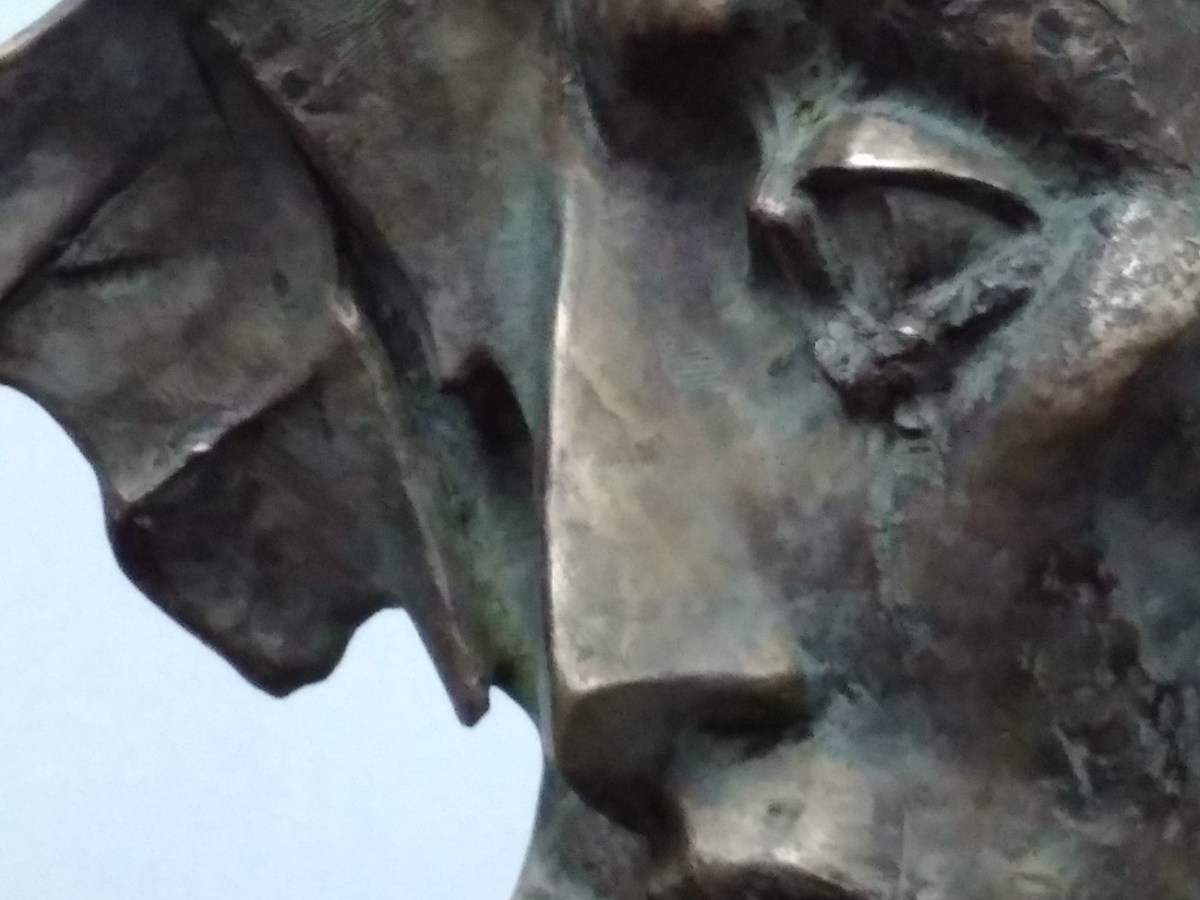
…Now Featuring… Artist Marek Jerzy Nowakowski @ NO MIDDLEMAN ART GALLERY
Marek Jerzy Nowakowski’sPortfolio © Marek Jerzy Nowakowski

A Week Of Photography Beyond The Lens – When Photography Discovered Pornography – The Birth of Photographic Erotica
This week, NO MIDDLEMAN ART GALLERY’s Visual Arts Blog invites you to discover Photography Beyond The Lens, a series from Edge of Humanity Magazine exploring photography through art, history, culture, and the human experience.
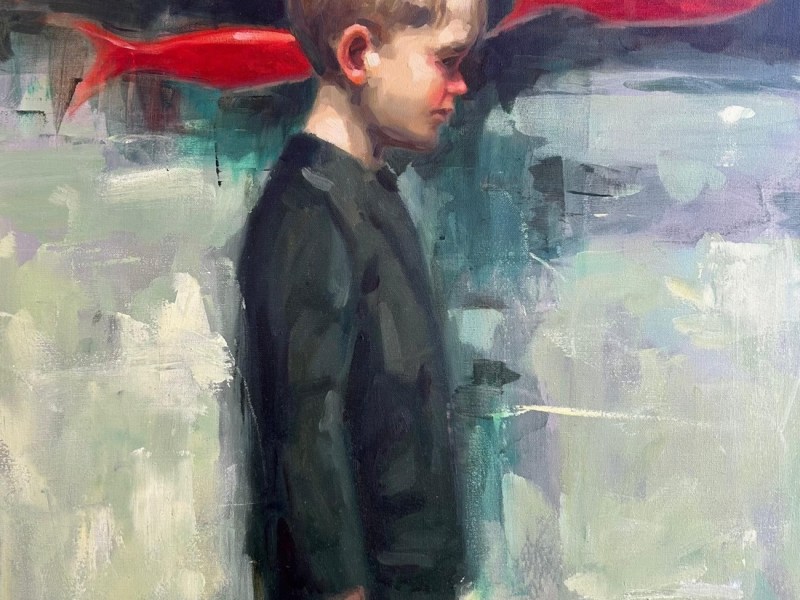
Now Featuring… Artist Alejandro Faura @ NO MIDDLEMAN ART GALLERY
Alejandro Faura’sPortfolio © Alejandro Faura
Handprints To AI Art Series – Islamic Art: What Still Survives
Islamic art has survived not only in museums and manuscripts, but in enormous architectural spaces that still allow us to see how Islamic artists and builders transformed stone, brick, plaster, tile, wood, and light into works of art. 1. Medina Azahara — Preservation Rating: ~90% Location: Córdoba, SpainAge: 10th century CEOriginal Purpose: Royal palace-city and…
A Week Of Photography Beyond The Lens – The Final Portrait – How Death Photography Preserved Human Memory
This week, NO MIDDLEMAN ART GALLERY’s Visual Arts Blog invites you to discover Photography Beyond The Lens, a series from Edge of Humanity Magazine exploring photography through art, history, culture, and the human experience.
A Week Of Photography Beyond The Lens – Photographing The Ancestors – How Cultures Use Images To Keep The Dead Alive
This week, NO MIDDLEMAN ART GALLERY’s Visual Arts Blog invites you to discover Photography Beyond The Lens, a series from Edge of Humanity Magazine exploring photography through art, history, culture, and the human experience.
A Week Of Photography Beyond The Lens – The Rise Of The Selfie – How Humanity Turned The Camera Toward Itself
This week, NO MIDDLEMAN ART GALLERY’s Visual Arts Blog invites you to discover Photography Beyond The Lens, a series from Edge of Humanity Magazine exploring photography through art, history, culture, and the human experience.
A Week Of Photography Beyond The Lens – The Psychology Of Selfies – Identity, Self-Esteem, Gender, And Age In The Digital Era
This week, NO MIDDLEMAN ART GALLERY’s Visual Arts Blog invites you to discover Photography Beyond The Lens, a series from Edge of Humanity Magazine exploring photography through art, history, culture, and the human experience.
A Week Of Photography Beyond The Lens – From Advertisements To Algorithms – How Photography Learned To Sell Dreams
This week, NO MIDDLEMAN ART GALLERY’s Visual Arts Blog invites you to discover Photography Beyond The Lens, a series from Edge of Humanity Magazine exploring photography through art, history, culture, and the human experience.
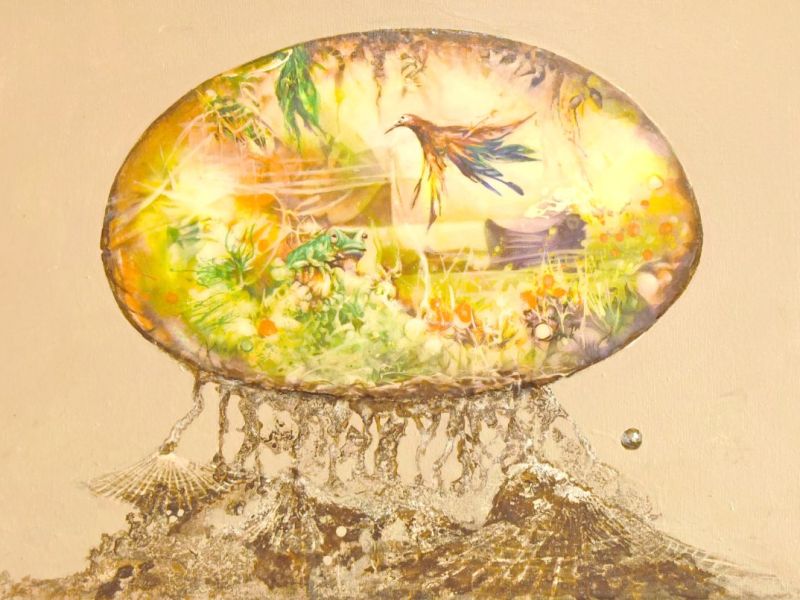
Now Featuring… Artist Jorge Calero @ NO MIDDLEMAN ART GALLERY
Jorge Calero’sPortfolio © Jorge Calero
Handprints To AI Art Series – Islamic Art: When Geometry Became A Visual Language
Islamic art did not need a single image of a human figure to command attention. It could make a wall, manuscript, ceramic vessel, carpet, or architectural surface speak through words, mathematics, repetition, and pattern. Over centuries, artists working across the Islamic world developed a visual language in which calligraphy, geometric structures, and vegetal ornament could…
A Week Of Photography Beyond The Lens – The Psychology Of Desire – How Images Influence What We Want, Buy, And Believe
This week, NO MIDDLEMAN ART GALLERY’s Visual Arts Blog invites you to discover Photography Beyond The Lens, a series from Edge of Humanity Magazine exploring photography through art, history, culture, and the human experience.
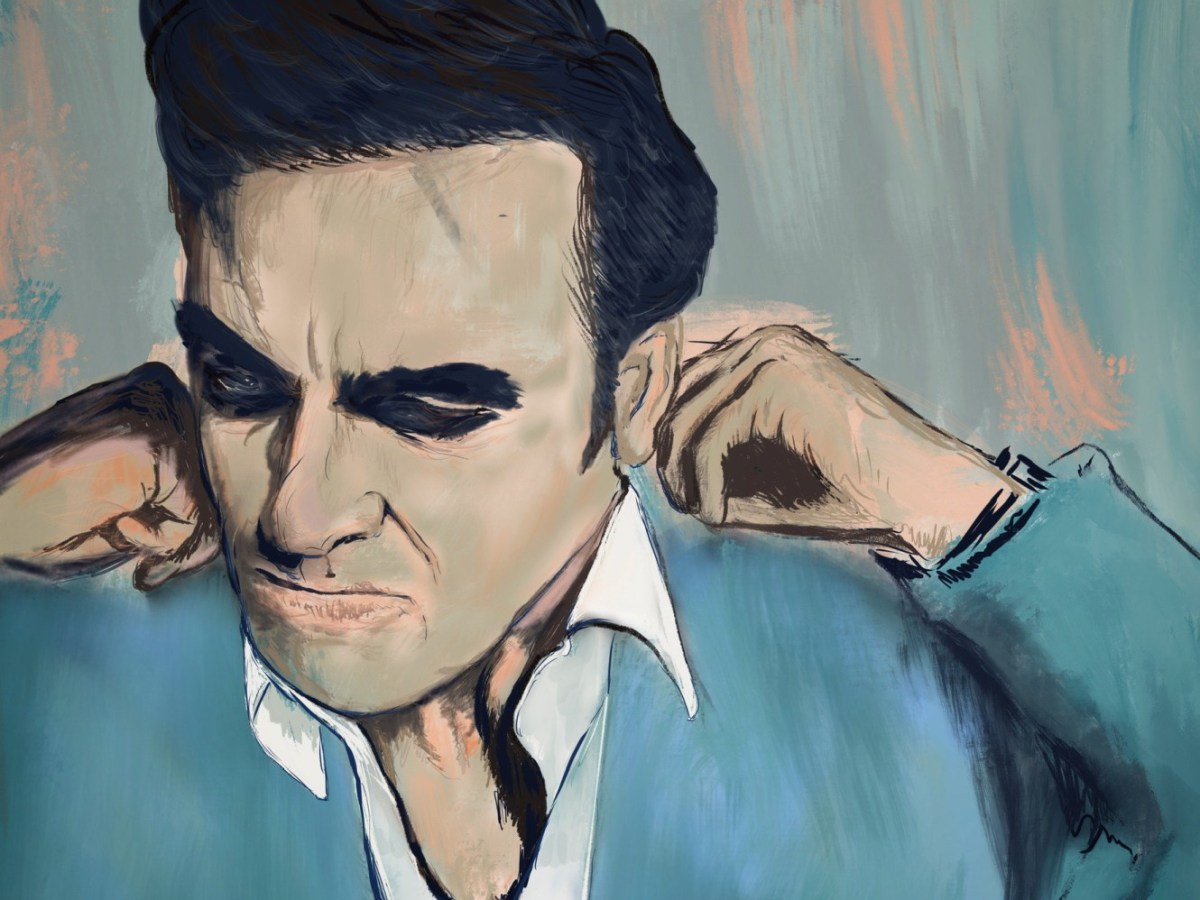
…Monthly Portfolio Selection… Artist Mark Young @ NO MIDDLEMAN ART GALLERY
Mark Young’sPortfolio © Mark Young
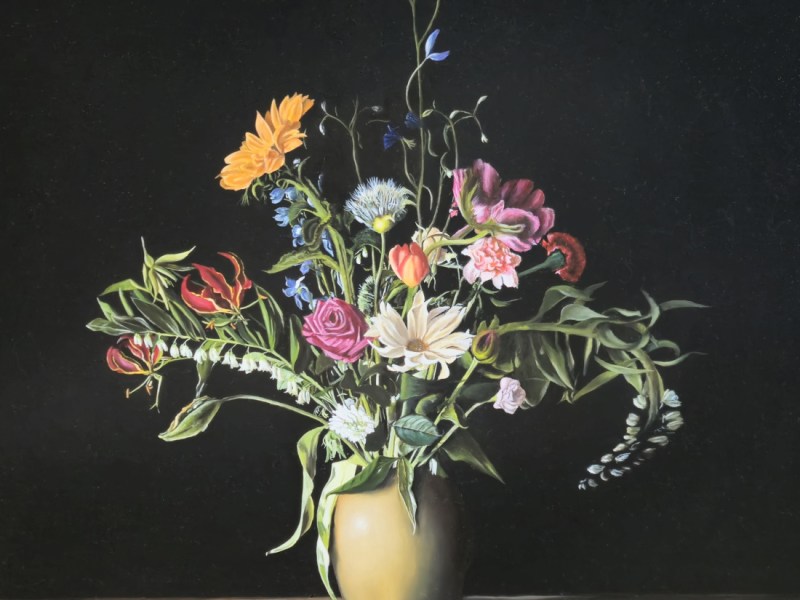
Now Featuring… Artist Jan Teunissen @ NO MIDDLEMAN ART GALLERY
Jan Teunissen’sPortfolio © Jan Teunissen
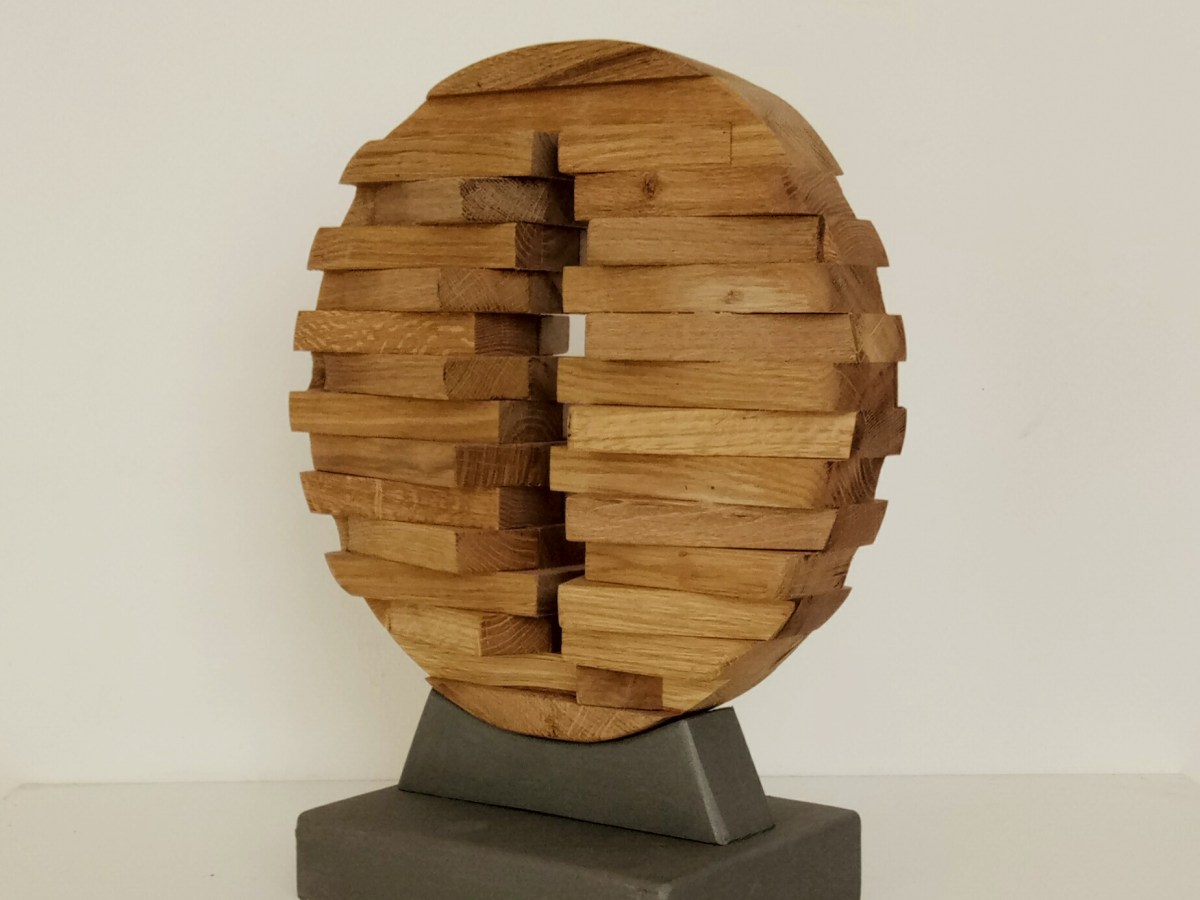
…Monthly Portfolio Selection… Artist Anna Beltrame @ NO MIDDLEMAN ART GALLERY
Anna Beltrame’sPortfolio © Anna Beltrame
Handprints To AI Art Series – The Hands Behind Byzantine Art: Artists, Patrons, And The Business Of Beauty
Byzantine art can look anonymous to modern eyes. The emperors, saints, and donors are often named; the people who actually made the images usually are not. Most Byzantine artists were skilled craftspeople rather than celebrated individual personalities. Painters, mosaicists, manuscript illuminators, metalworkers, ivory carvers, textile makers, and other specialists worked through workshops in which techniques…
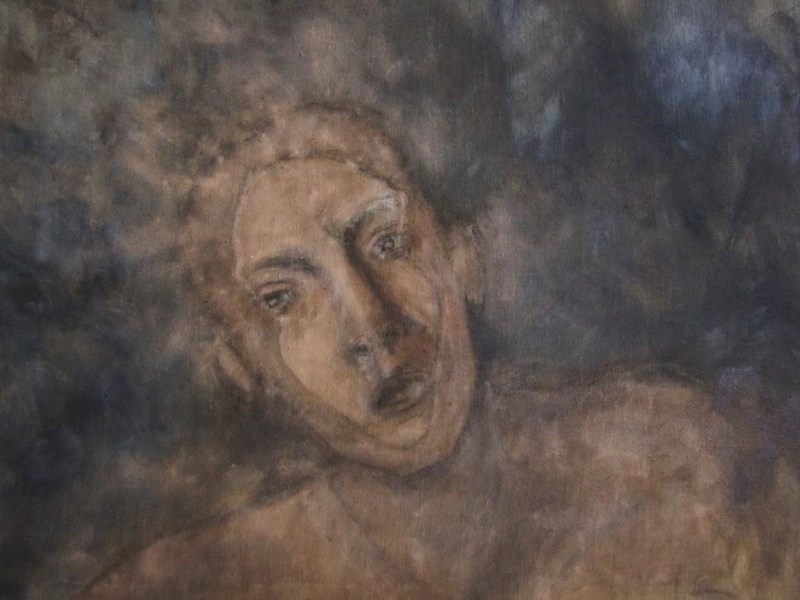
…Monthly Portfolio Selection… Artist Marie Laniepce @ NO MIDDLEMAN ART GALLERY
Marie Laniepce’sPortfolio © Marie Laniepce
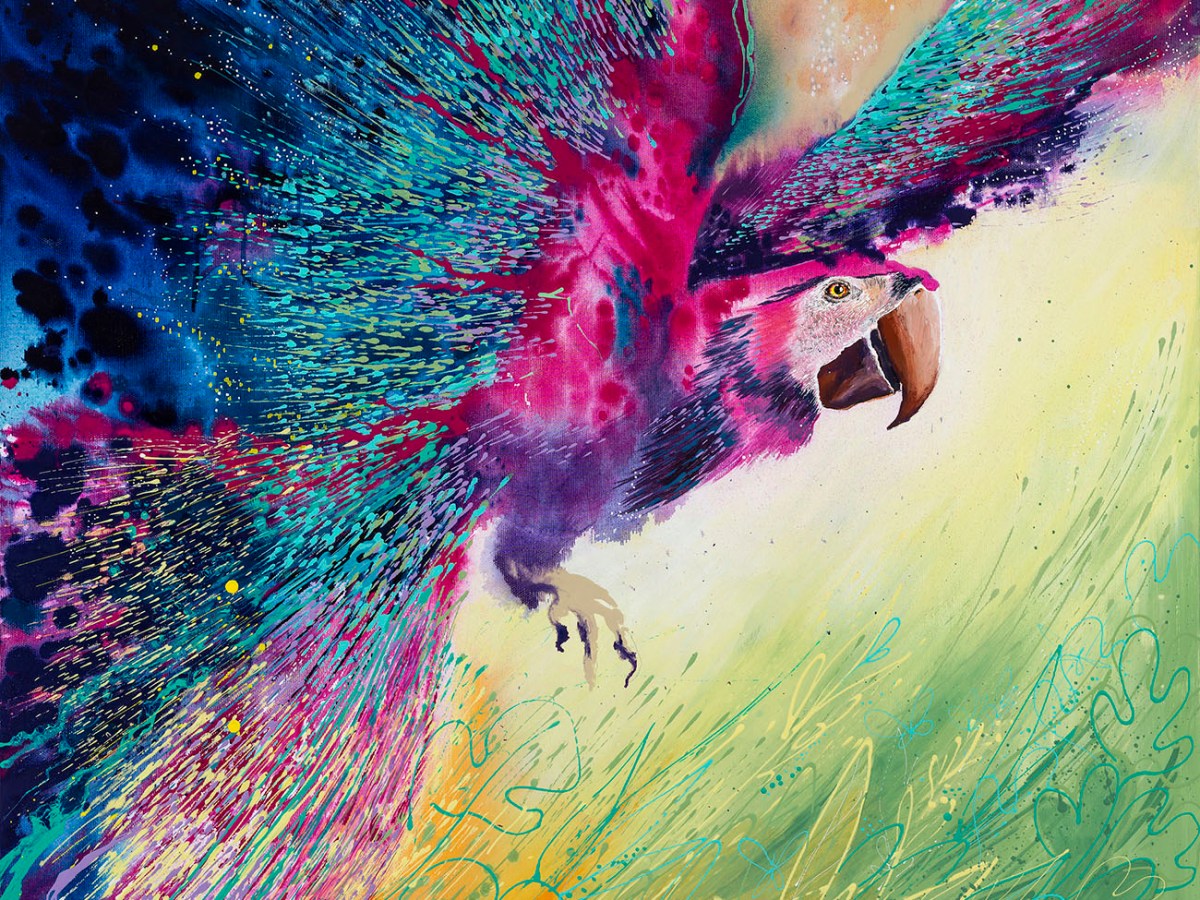
…Monthly Portfolio Selection… Artist Luba Holland @ NO MIDDLEMAN ART GALLERY
Luba Holland’sPortfolio © Luba Holland
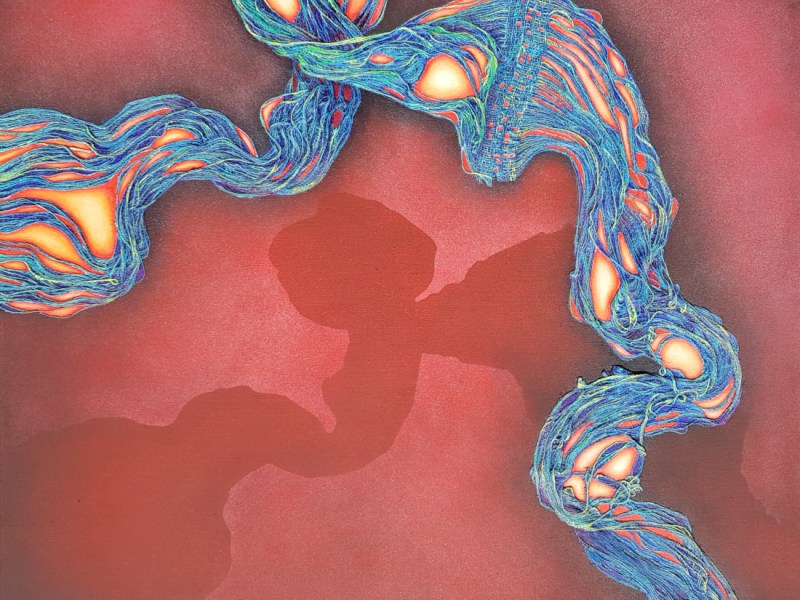
…Now Featuring… Artist Jean-Roch Klethi @ NO MIDDLEMAN ART GALLERY
Jean-Roch Klethi’sPortfolio © Jean-Roch Klethi
Handprints To AI Art Series – Art You Can Still See Today: Byzantine Period
The Byzantine world lasted more than a thousand years, and its surviving monuments reveal an artistic culture in which architecture, mosaic, painting, and worship were designed as one experience. Ranked below by how closely each survives to its historical appearance, these monuments offer unusually direct encounters with Byzantine art. 1. Monastery of Hosios Loukas —…
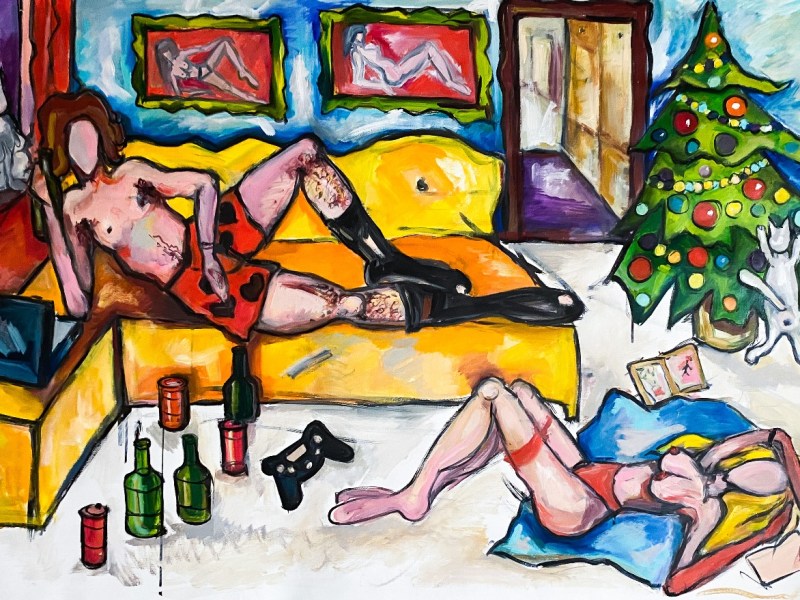
…Monthly Portfolio Selection… Artist Sasha Neschastnova @ NO MIDDLEMAN ART GALLERY
Sasha Neschastnova’sPortfolio © Sasha Neschastnova
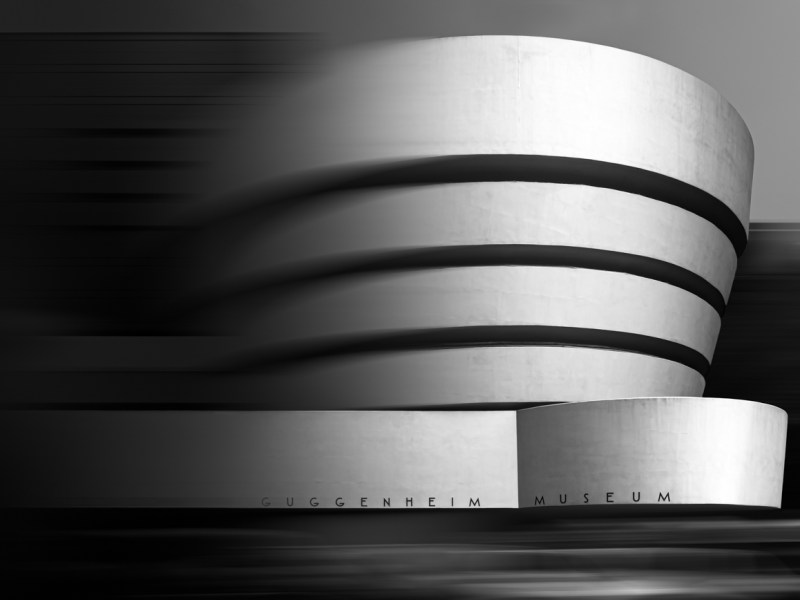
…Monthly Portfolio Selection… Artist Steve Day @ NO MIDDLEMAN ART GALLERY
Steve Day’sPortfolio © Steve Day
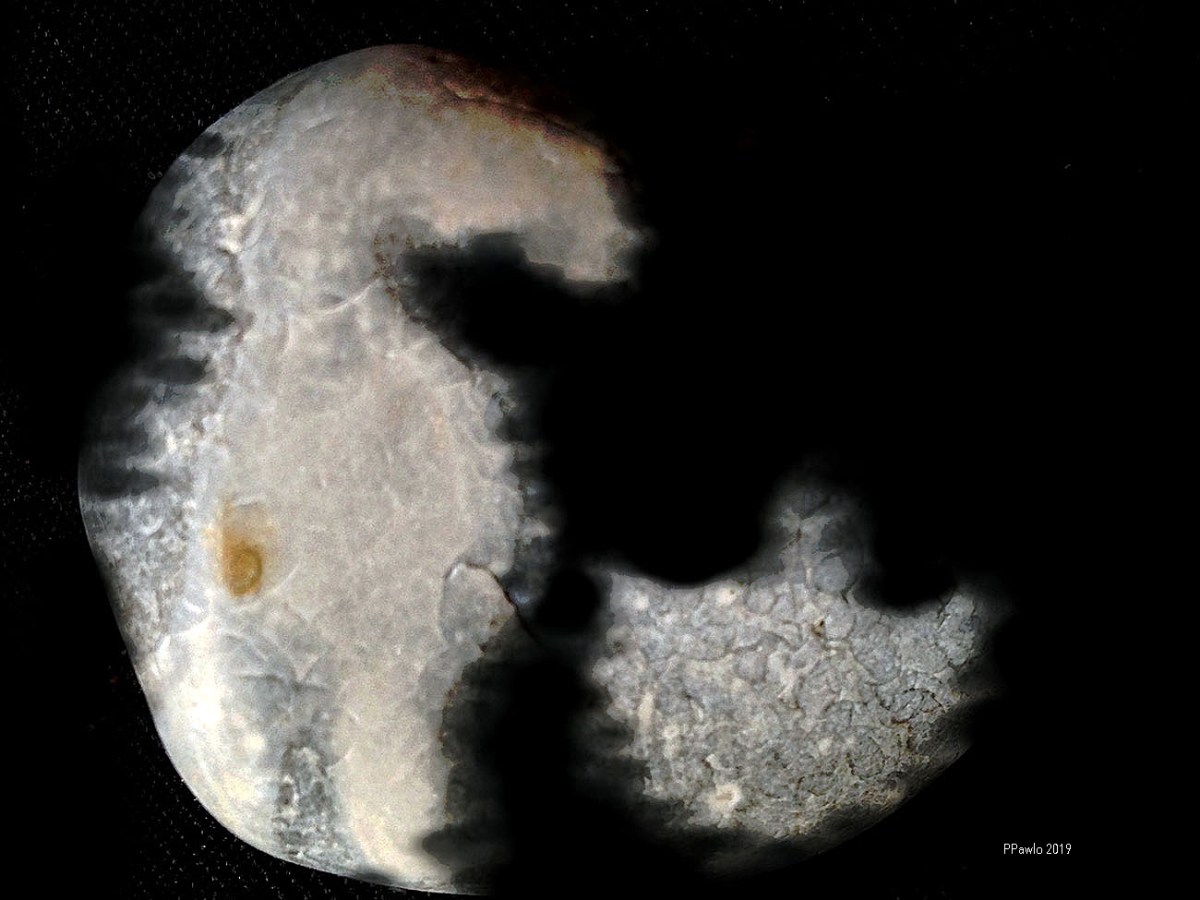
…Monthly Portfolio Selection… Artist Petra Pawlofsky @ NO MIDDLEMAN ART GALLERY
Petra Pawlofsky’sPortfolio © Petra Pawlofsky
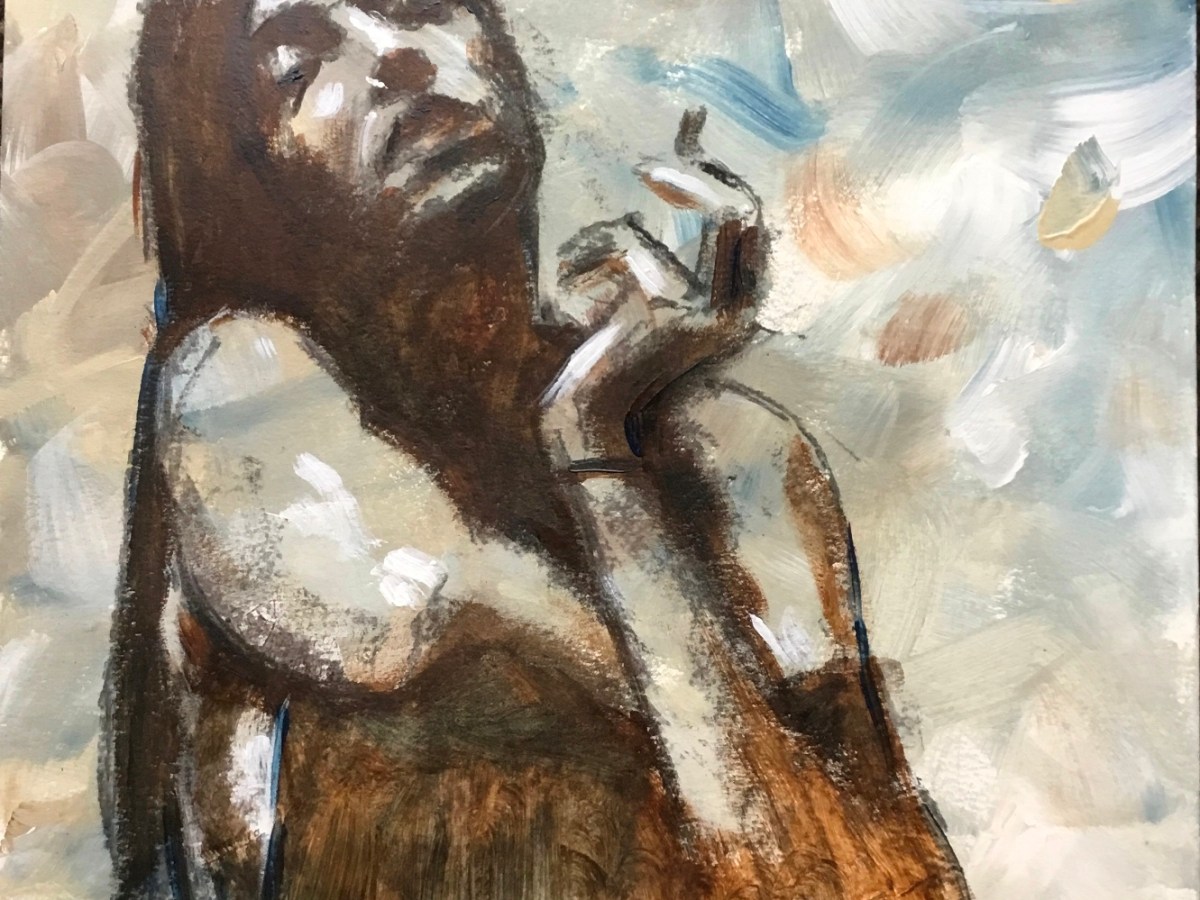
…Monthly Portfolio Selection… Artist Dominique Dève @ NO MIDDLEMAN ART GALLERY
Dominique Dève’sPortfolio © Dominique Dève
Handprints To AI Art Series | Byzantine Art: When an Empire Turned Images into Sacred Windows
Gold did not simply decorate Byzantine art—it transformed it. Covering walls, domes, and icons with shimmering mosaics, Byzantine artists sought to dissolve the boundary between the earthly and the divine. Their goal was not to imitate reality but to create a visual experience that reflected the presence of heaven. The defining transformation of Byzantine art…
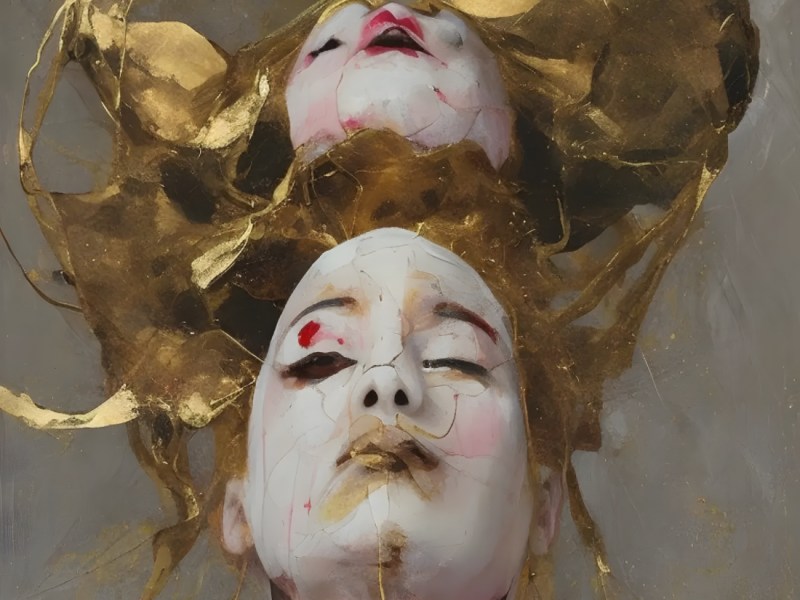
…Now Featuring… Artist Jeanette Gibson @ NO MIDDLEMAN ART GALLERY
Jeanette Gibson’sPortfolio © Jeanette Gibson
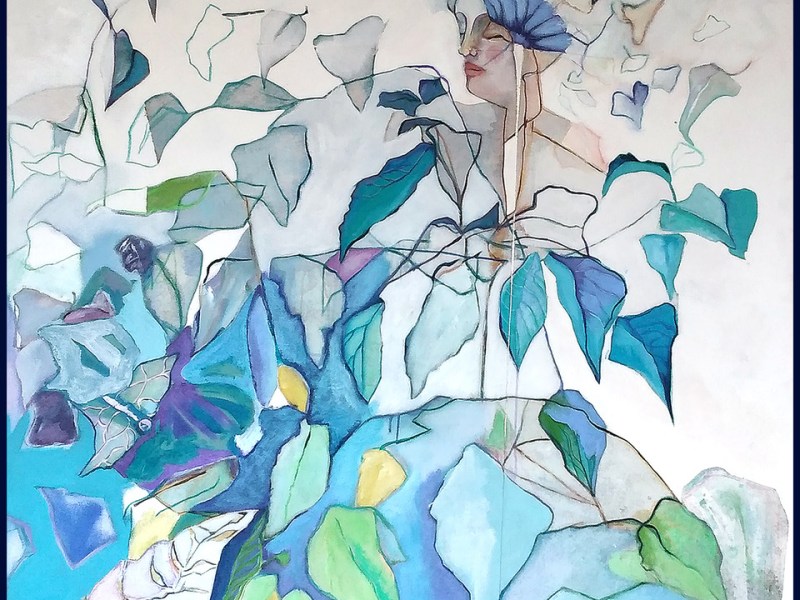
…Monthly Portfolio Selection… Artist Alessandra Tarnowski Mastrogiovanni @ NO MIDDLEMAN ART GALLERY
Alessandra Tarnowski Mastrogiovanni’sPortfolio © Alessandra Tarnowski Mastrogiovanni
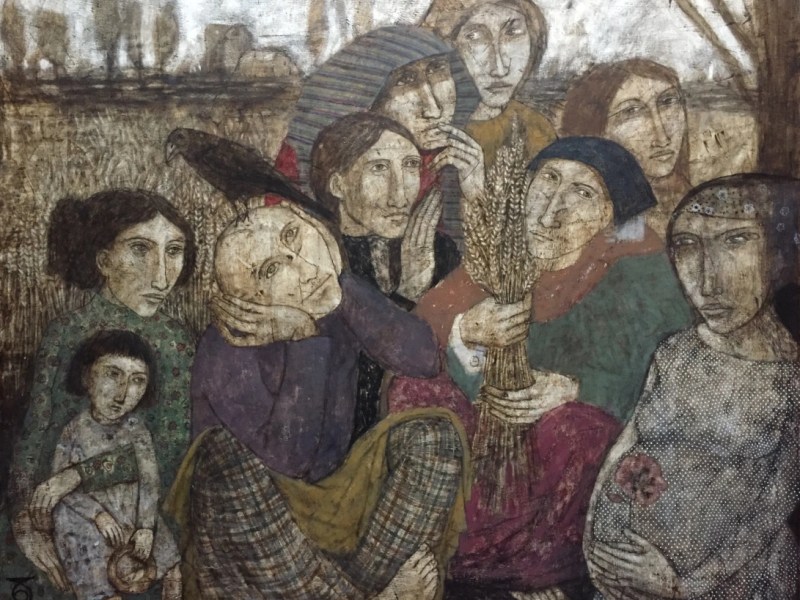
…Monthly Portfolio Selection… Artist Buba Arabuli @ NO MIDDLEMAN ART GALLERY
Buba Arabuli’sPortfolio © Buba Arabuli
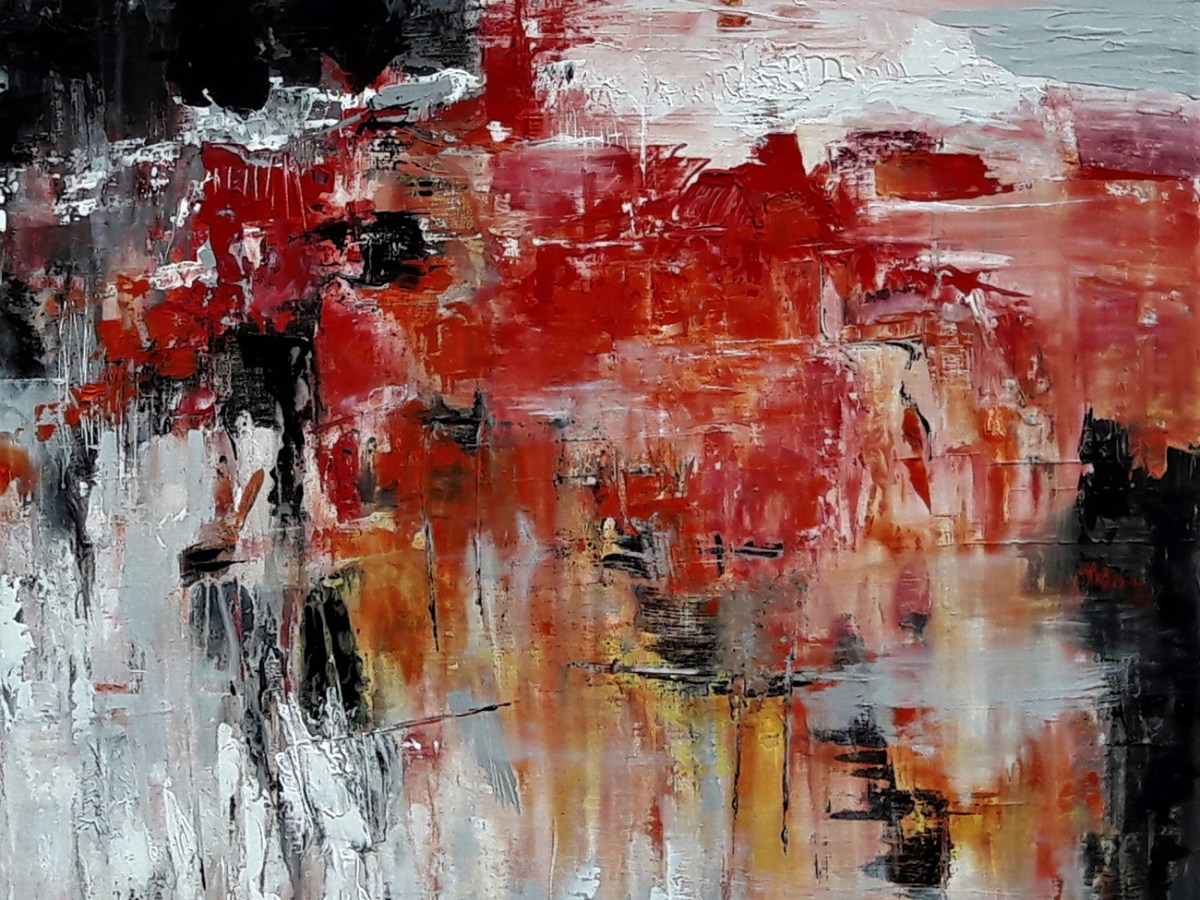
…Monthly Portfolio Selection… Artist Patrice Grangeon @ NO MIDDLEMAN ART GALLERY
Patrice Grangeon’sPortfolio © Patrice Grangeon
Handprints To AI Art Series – Early Christian Art: Who Paid For The Sacred?
Early Christian art was not created in a world of famous artists and celebrated collectors. Its makers were usually anonymous craftsmen working within the established traditions of Roman art, while its patrons ranged from wealthy families to bishops and emperors. As Christianity moved from a persecuted faith to an imperial religion, the relationship between artist,…
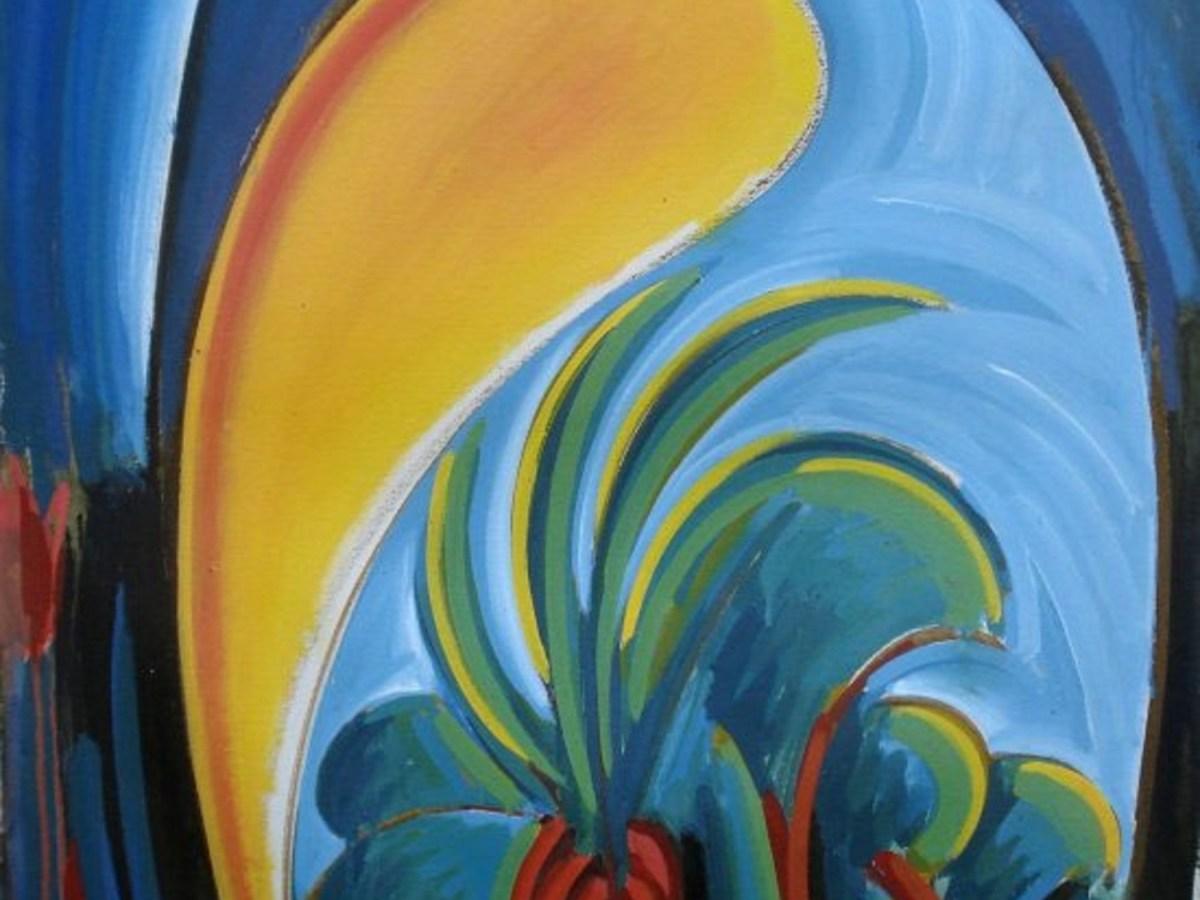
…Monthly Portfolio Selection… Artist Israel Da Costa @ NO MIDDLEMAN ART GALLERY
Israel Da Costa’sPortfolio © Israel Da Costa
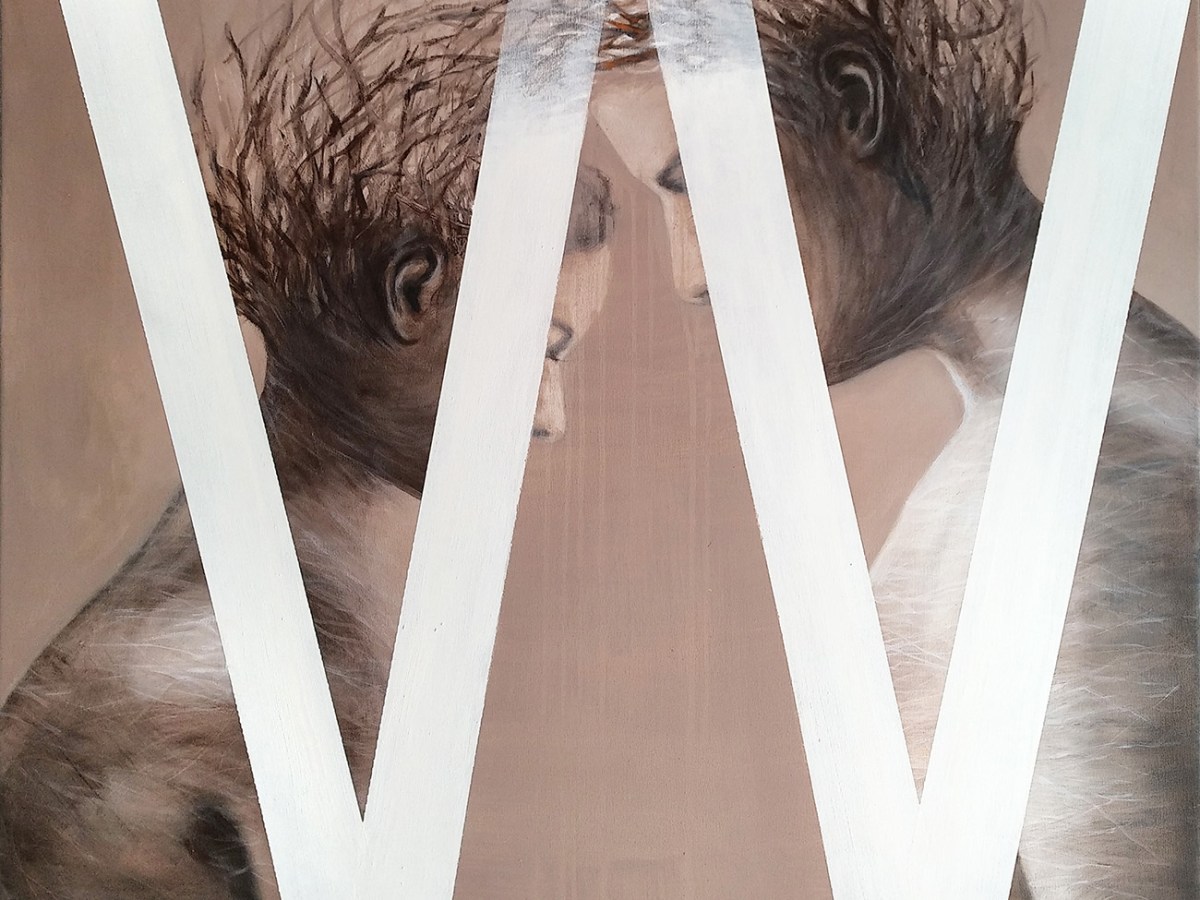
…Monthly Portfolio Selection… Artist Iveta Albrechtová Dučáková @ NO MIDDLEMAN ART GALLERY
Iveta Albrechtová Dučáková’sPortfolio © Iveta Albrechtová Dučáková
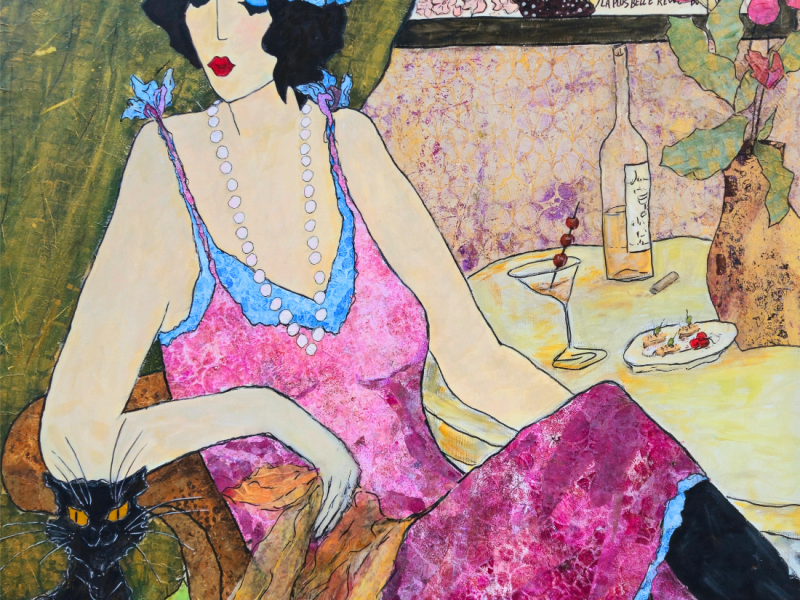
…Now Featuring… Artist Régine Devarrewaere @ NO MIDDLEMAN ART GALLERY
Régine Devarrewaere’sPortfolio © Régine Devarrewaere
…Monthly Portfolio Selection… Artist Madhur Dhingra @ NO MIDDLEMAN ART GALLERY
Madhur Dhingra’sPortfolio © Madhur Dhingra
Handprints To AI Art Series | Early Christian Art You Can Still See Today
One of the remarkable aspects of Early Christian art is that some of its greatest monuments have survived in extraordinary condition. Ranked below by how closely they resemble their original appearance, these sites offer a direct connection to the first centuries of Christian artistic expression. 1. Mausoleum of Galla Placidia — Preservation: 98% Location: Ravenna,…
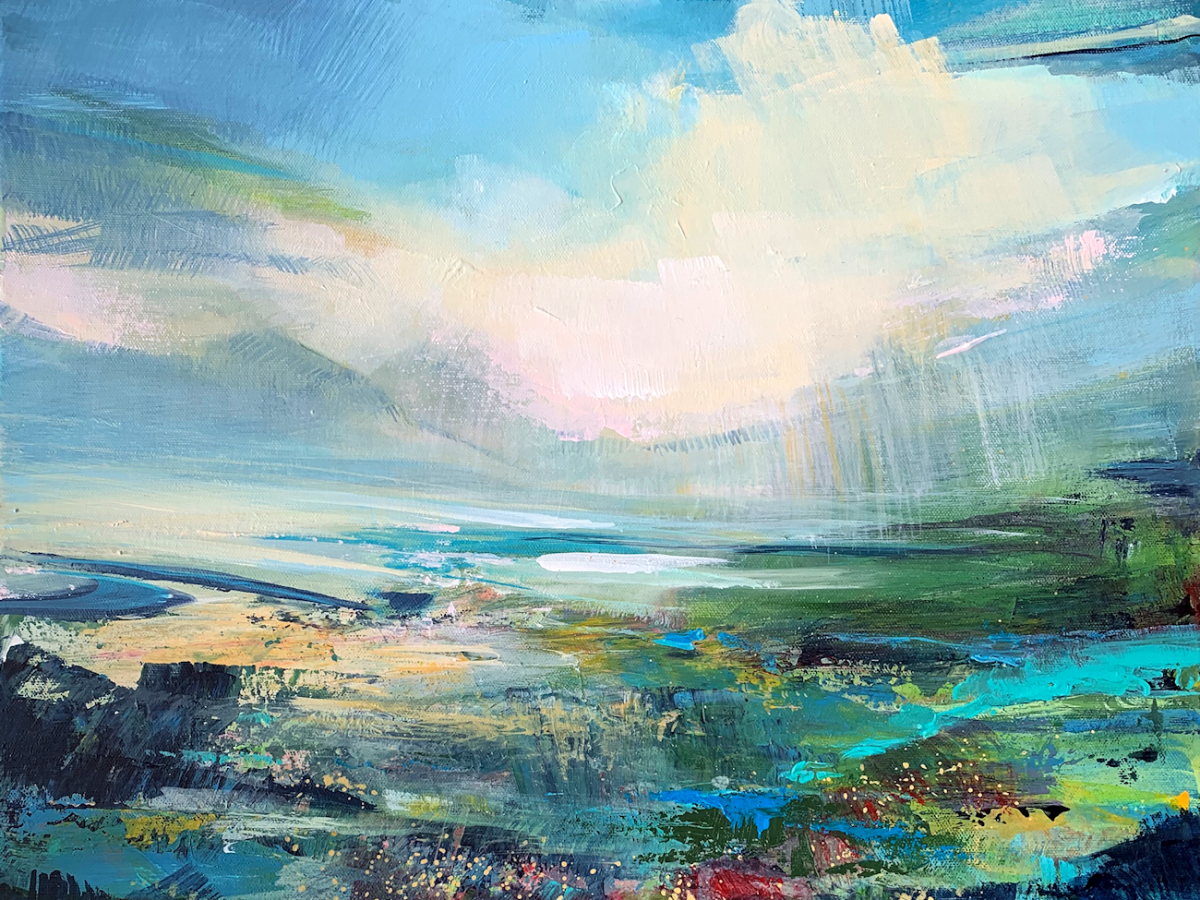
…Monthly Portfolio Selection… Artist Irina Laube @ NO MIDDLEMAN ART GALLERY
Irina Laube’sPortfolio © Irina Laube
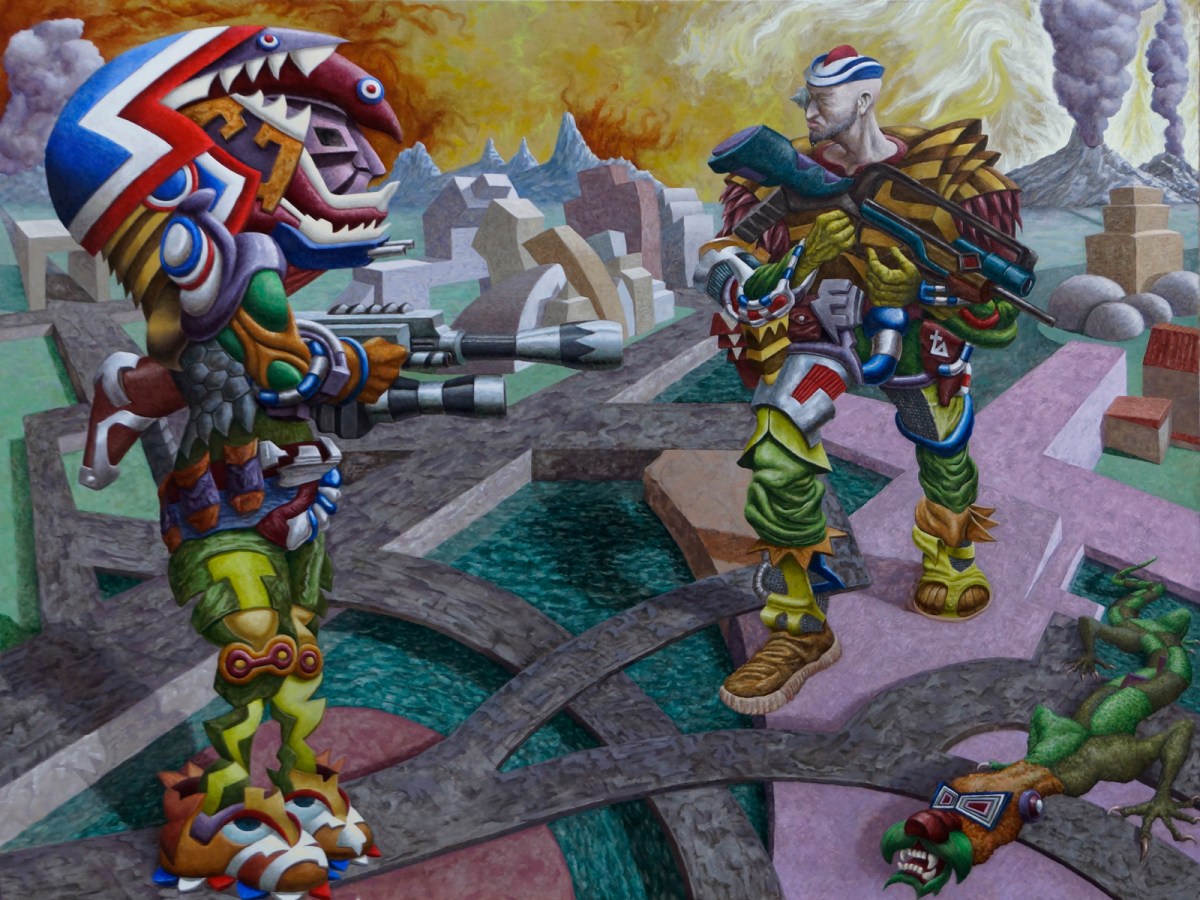
…Monthly Portfolio Selection… Artist Vincent Lacroix @ NO MIDDLEMAN ART GALLERY
Vincent Lacroix’sPortfolio © Vincent Lacroix
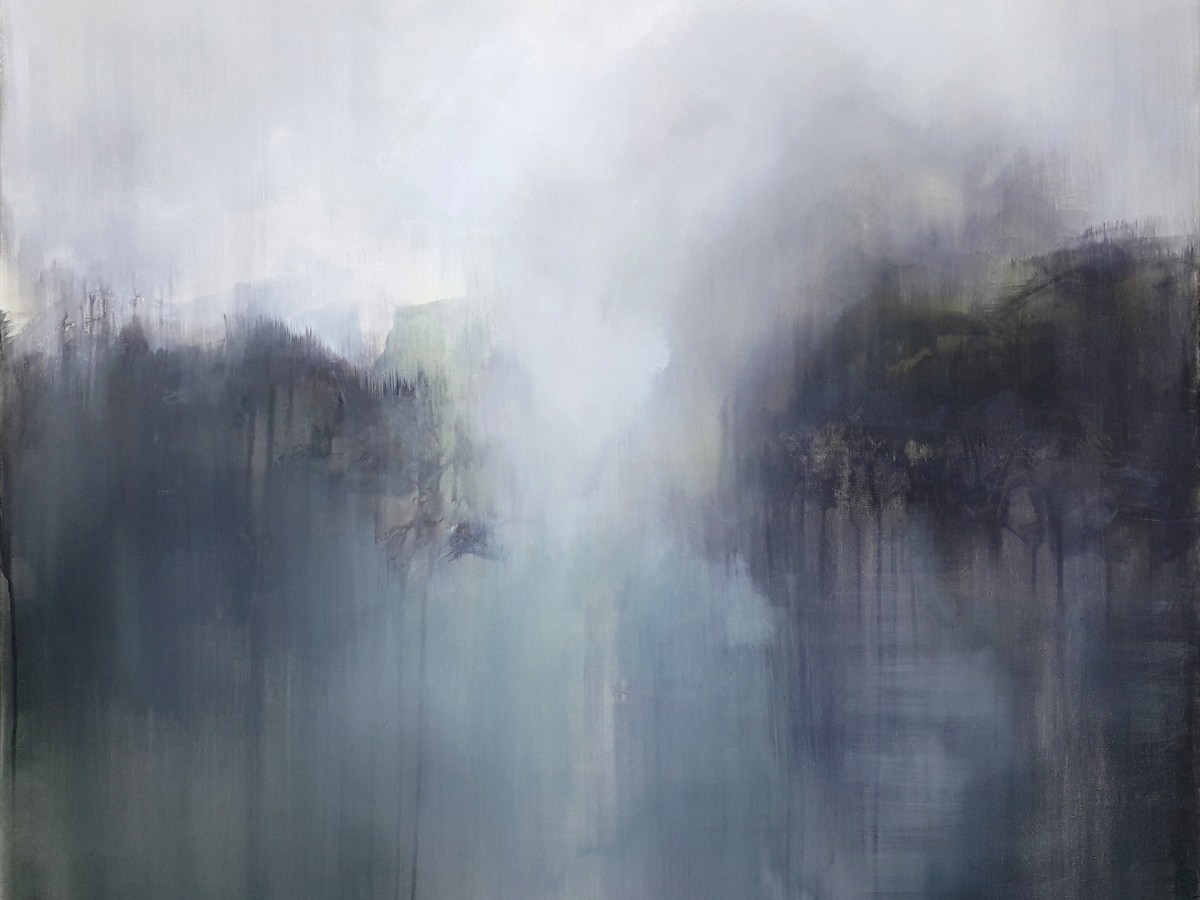
…Monthly Portfolio Selection… Artist Luc Andrieux @ NO MIDDLEMAN ART GALLERY
Luc Andrieux’sPortfolio © Luc Andrieux
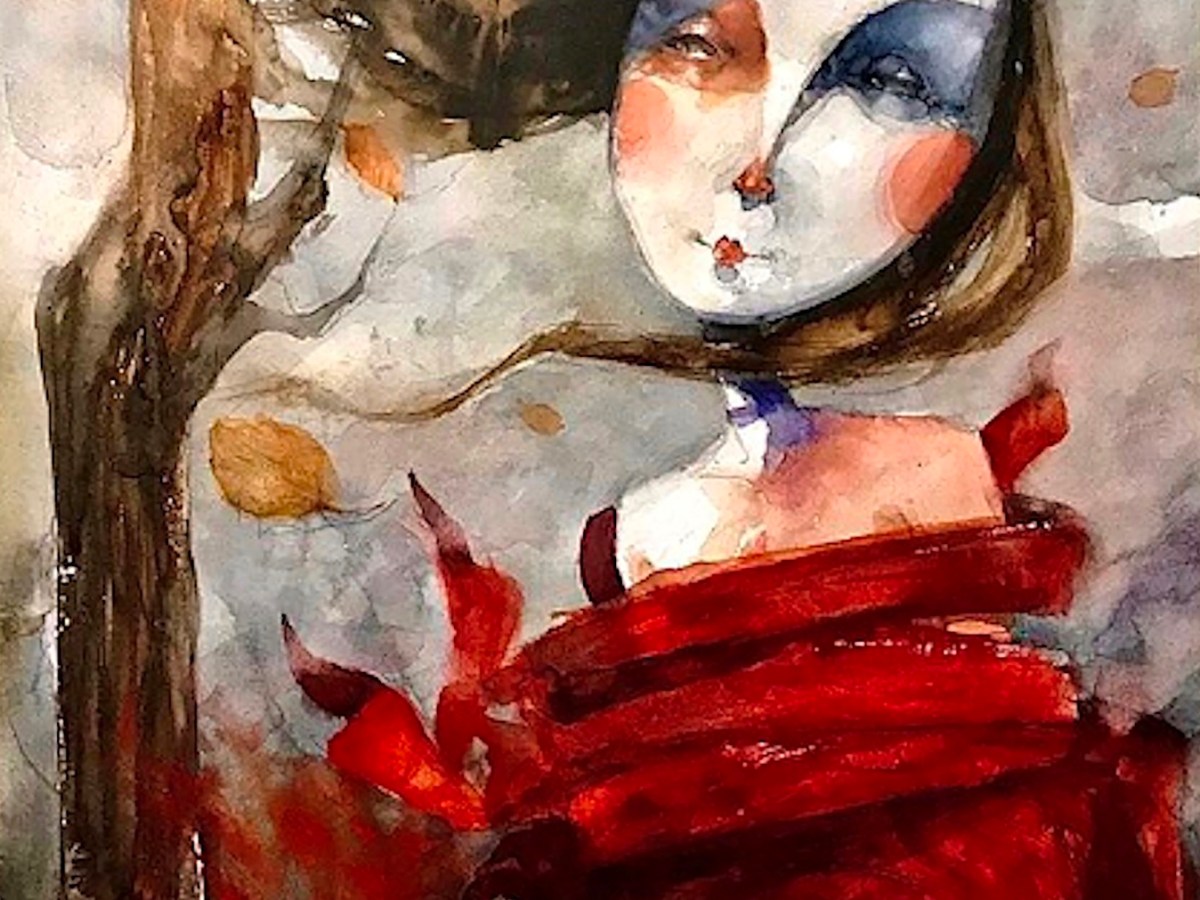
…Monthly Portfolio Selection… Artist César Ayllón @ NO MIDDLEMAN ART GALLERY
César Ayllón’sPortfolio © César Ayllón
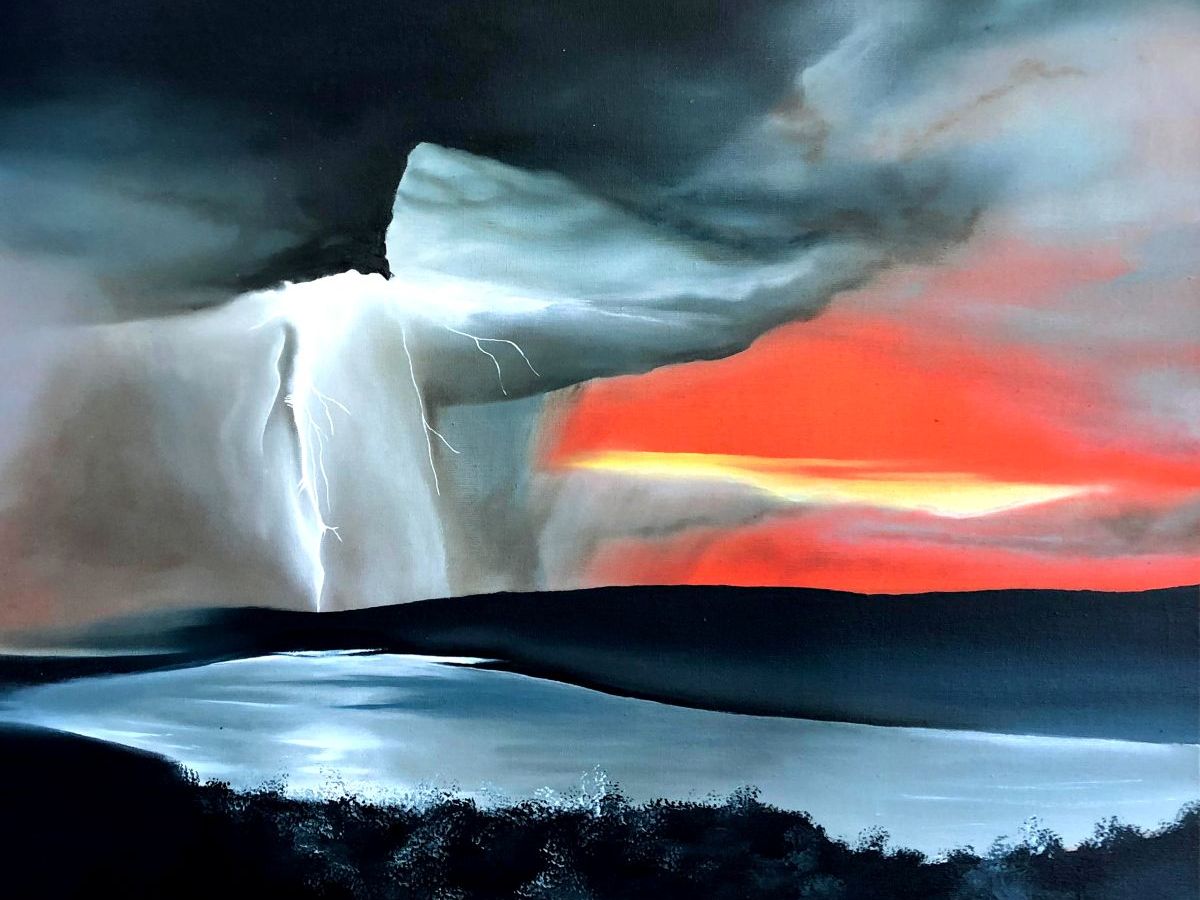
…Now Featuring… Artist Jacques Trichet @ NO MIDDLEMAN ART GALLERY
Jacques Trichet’sPortfolio © Jacques Trichet
Handprints To AI Art Series | Early Christian Art: Faith Finds Its Visual Language
For nearly three centuries, Christians practiced their faith under the shadow of persecution. Public monuments and grand temples were impossible, so the earliest Christian artists worked in modest homes, hidden burial chambers, and small gathering places. Their images were less about artistic display than communication, preserving beliefs in a visual language understood by fellow believers.…

…Monthly Portfolio Selection… Artist Kateryna Bortsova @ NO MIDDLEMAN ART GALLERY
Kateryna Bortsova’sPortfolio © Kateryna Bortsova
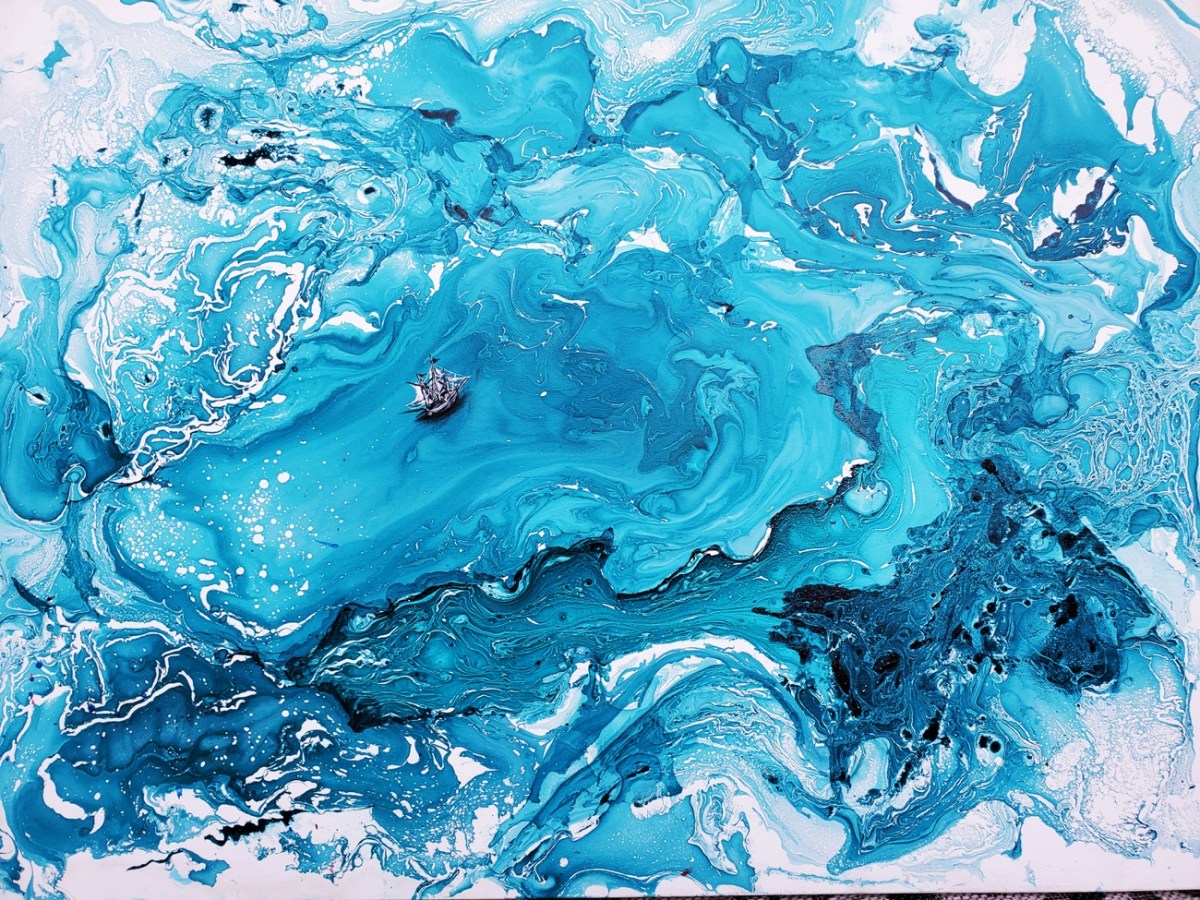
…Monthly Portfolio Selection… Artist Juliet Hillbrand @ NO MIDDLEMAN ART GALLERY
Juliet Hillbrand’sPortfolio © Juliet Hillbrand
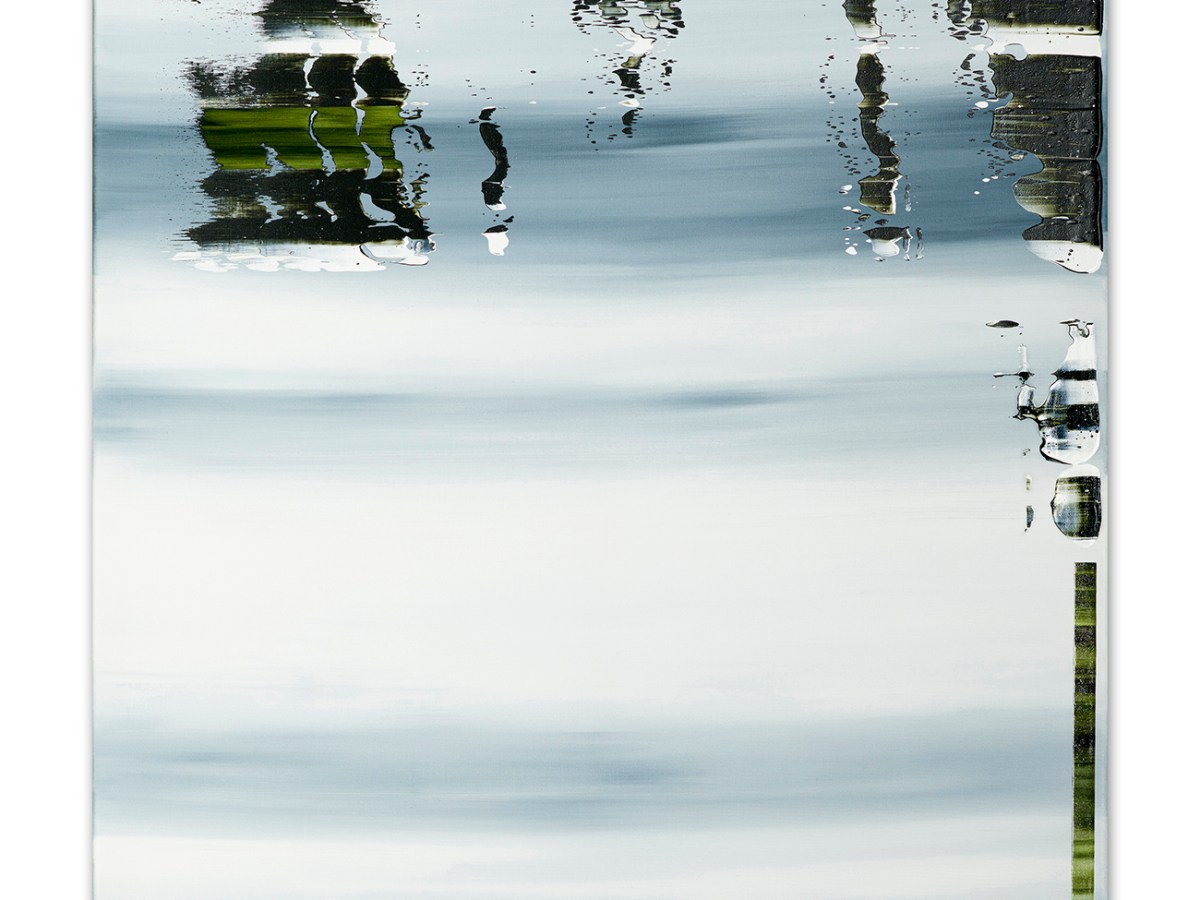
…Monthly Portfolio Selection… Artist Johanna Marie Schimming @ NO MIDDLEMAN ART GALLERY
Johanna Marie Schimming’sPortfolio © Johanna Marie Schimming
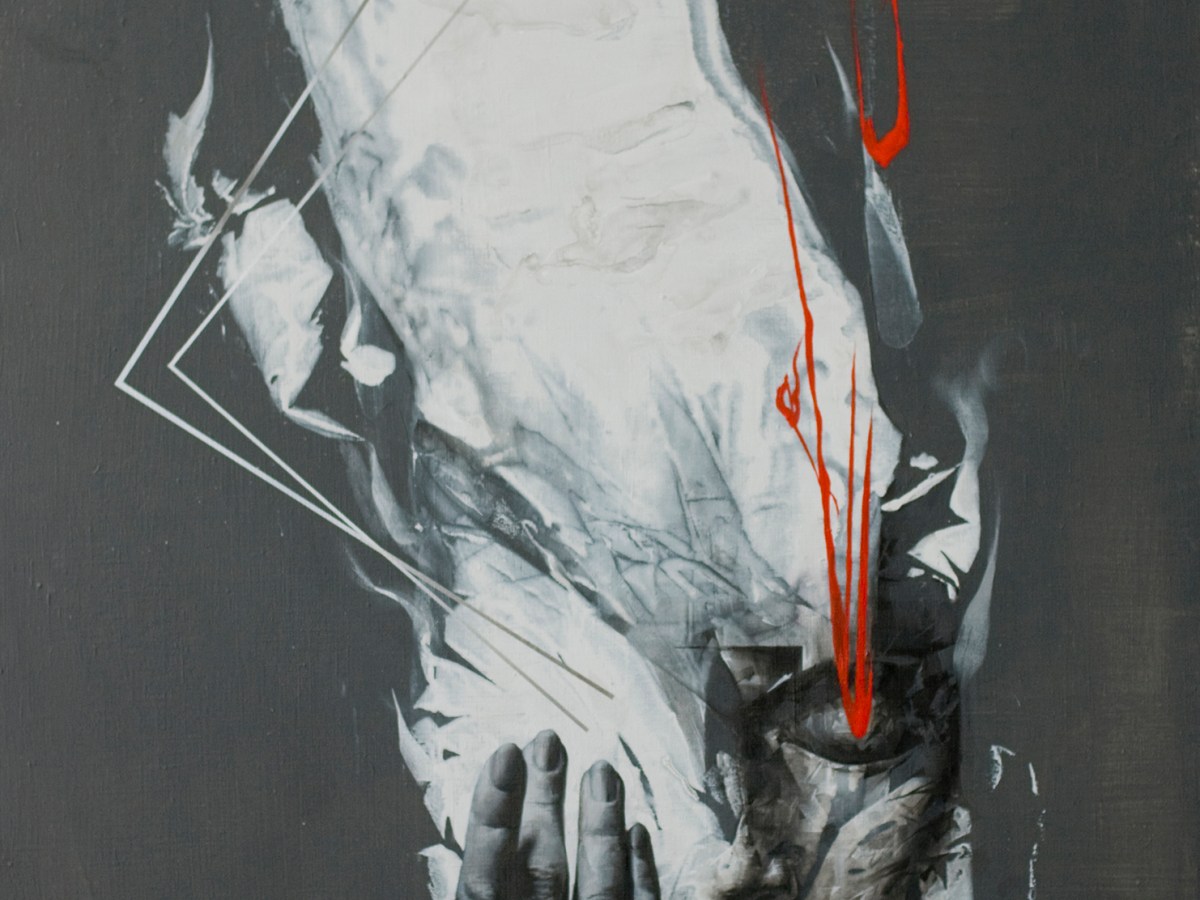
…Monthly Portfolio Selection… Artist Edgar Invoker @ NO MIDDLEMAN ART GALLERY
Edgar Invoker’sPortfolio ©Edgar Invoker
Handprints To AI Art Series | Roman Art You Can Still See Today: Masterpieces That Defied Time
Roman art survives not only through scattered ruins but through remarkable monuments that continue to demonstrate the empire’s mastery of engineering, architecture, sculpture, and public space. The best-preserved examples allow us to experience Roman artistic ambition with extraordinary clarity. Pantheon Preservation Rating: 98% Location: Rome, Italy Age: Completed c. AD 125 Original Purpose: Temple dedicated…
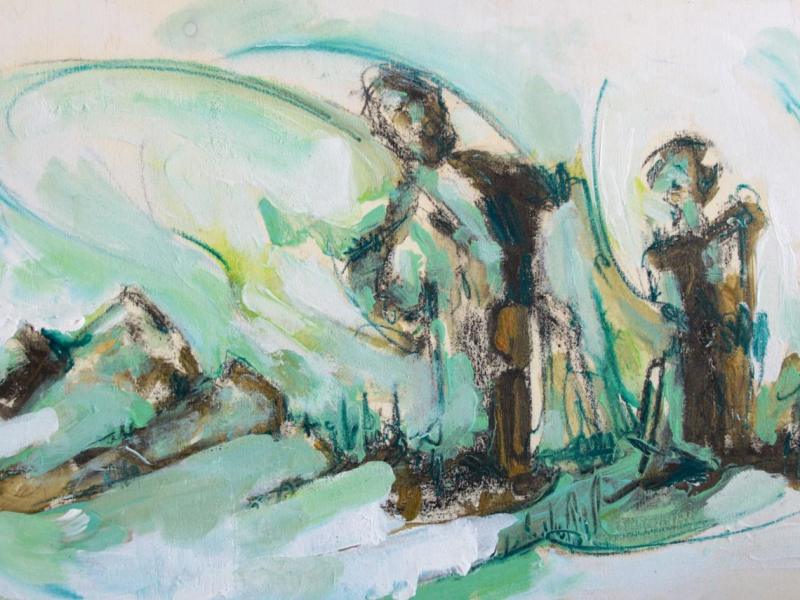
…Monthly Portfolio Selection… Artist MAURA PROSPEROUS @ NO MIDDLEMAN ART GALLERY
MAURA PROSPEROUS’Portfolio © MAURA PROSPEROUS
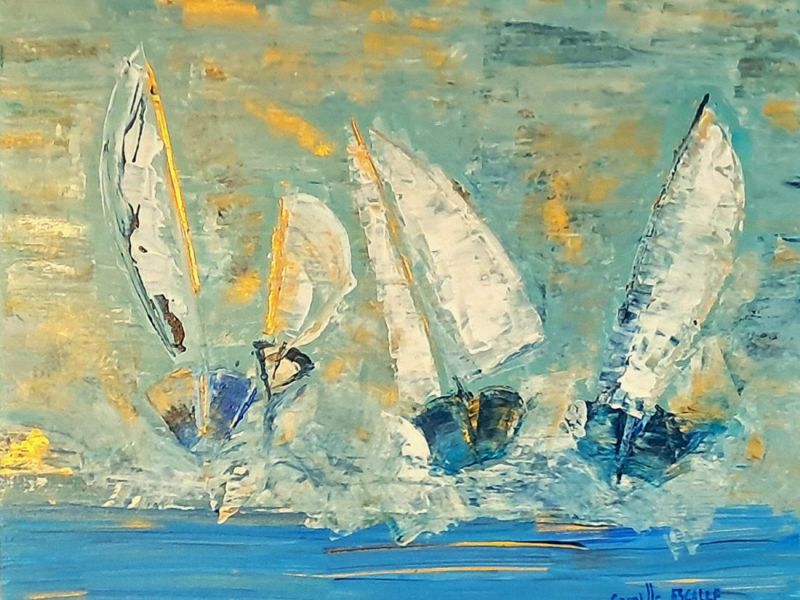
…Now Featuring… Artist Camille Escalle @ NO MIDDLEMAN ART GALLERY
Camille Escalle’sPortfolio © Camille Escalle

…Monthly Portfolio Selection… Artist Daria Amaranth @ NO MIDDLEMAN ART GALLERY
Daria Amaranth’sPortfolio © Daria Amaranth
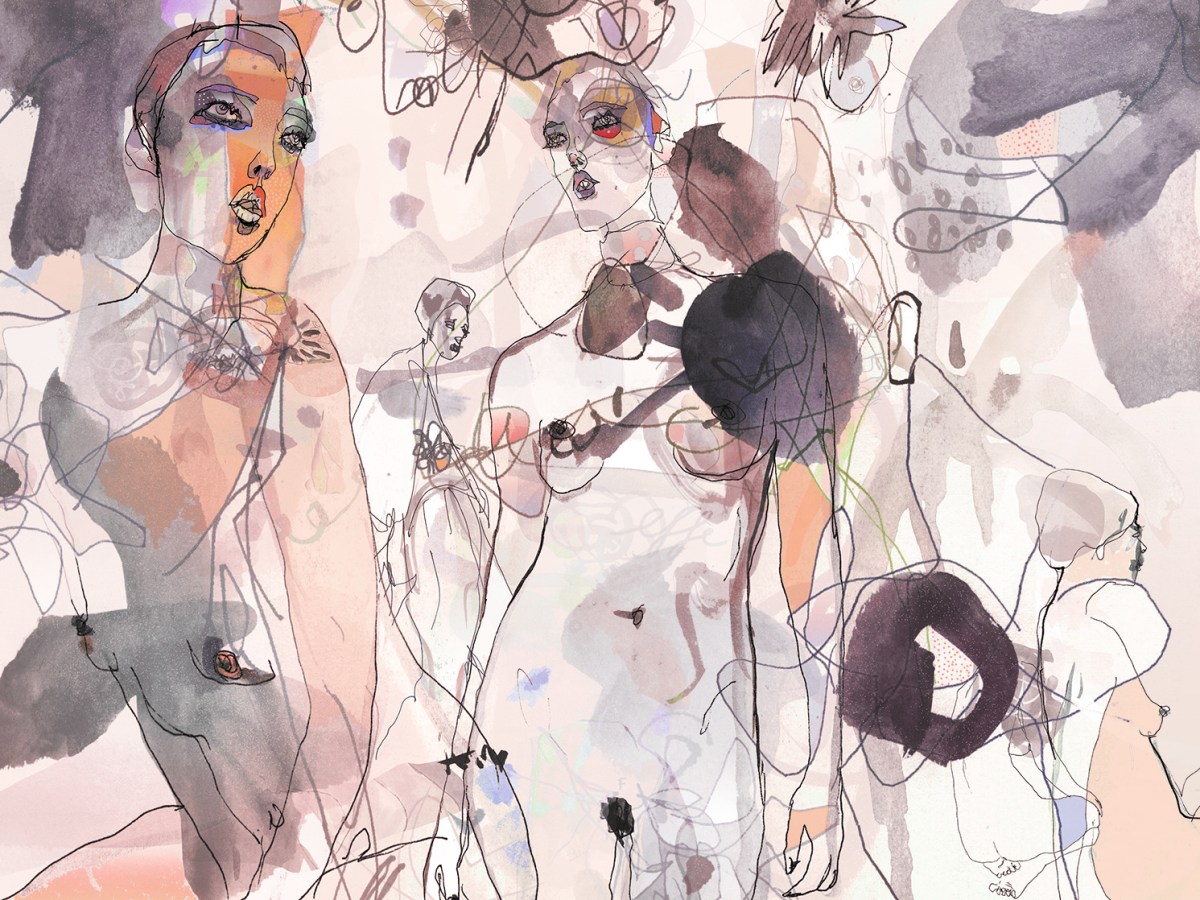
…Monthly Portfolio Selection… Artist Giulio Iurissevich @ NO MIDDLEMAN ART GALLERY
Giulio Iurissevich’sPortfolio ©Giulio Iurissevich
Handprints To AI Art Series | Greek Art You Can Still See Today
Ancient Greek art introduced new ideals of proportion, harmony, and architectural innovation that continue to influence the world today. Although many masterpieces have been lost, several remarkable monuments still preserve the artistic vision of Classical Greece and offer valuable insight into one of history’s greatest artistic traditions. 1. Temple of Hephaestus Preservation Rating: 90% Location:…
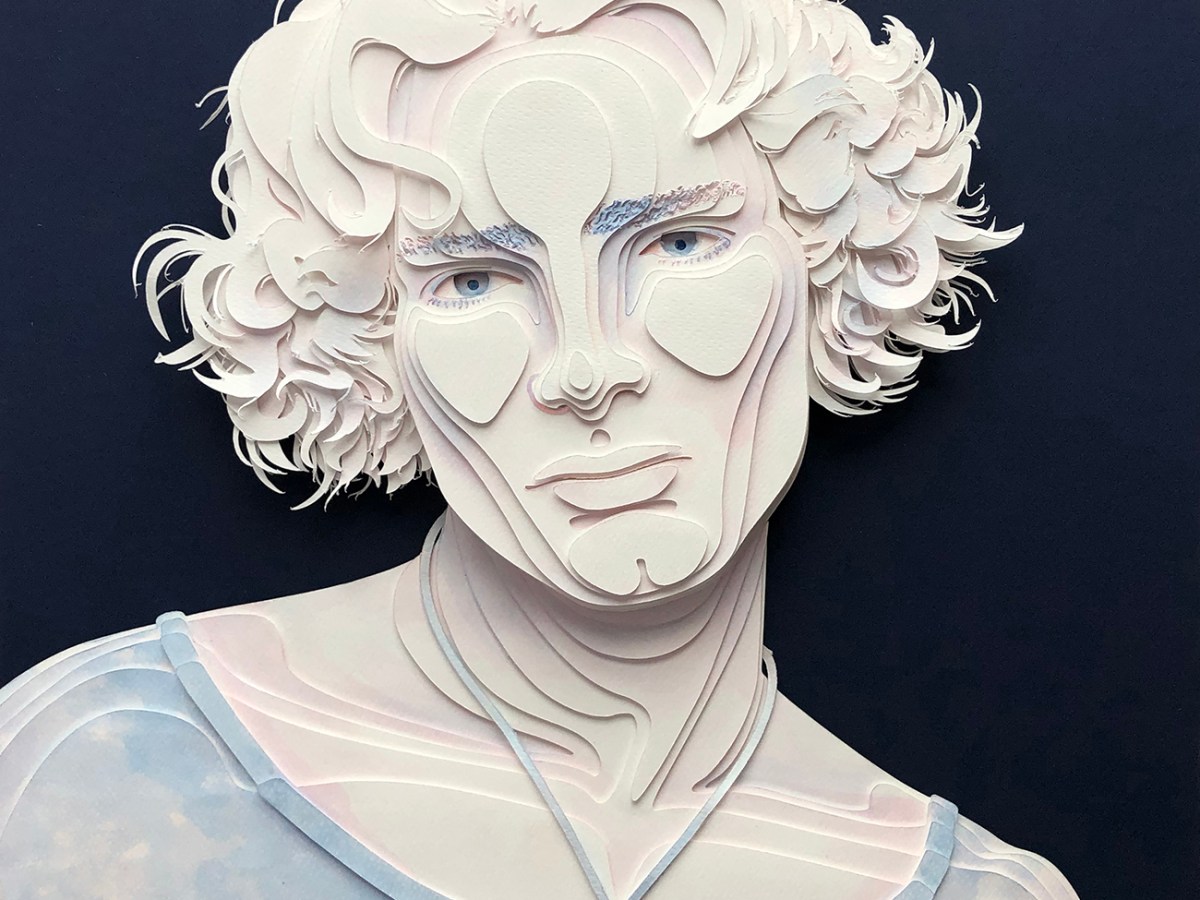
…Monthly Portfolio Selection… Artist Ale Rambar @ NO MIDDLEMAN ART GALLERY
Ale Rambar’sPortfolio ©Ale Rambar
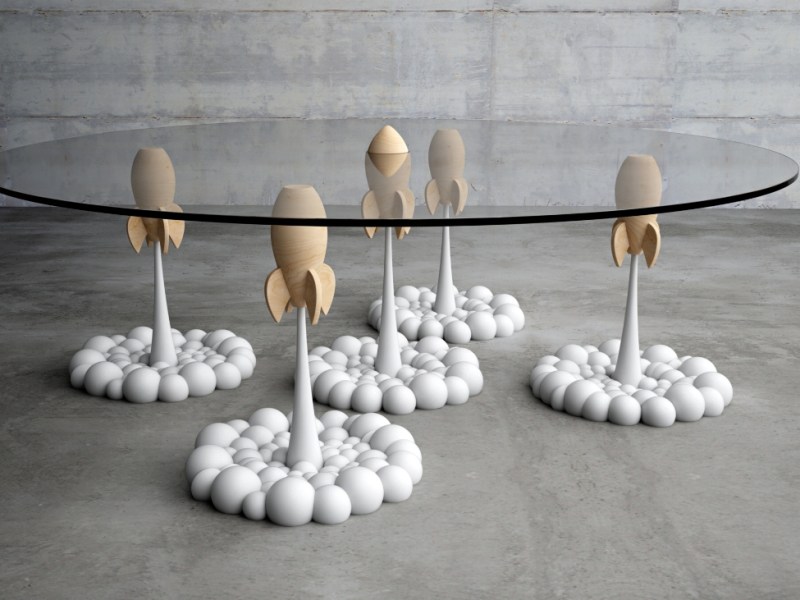
…Monthly Portfolio Selection… Artist Stelios Mousarris @ NO MIDDLEMAN ART GALLERY
Stelios Mousarris’Portfolio © Stelios Mousarris
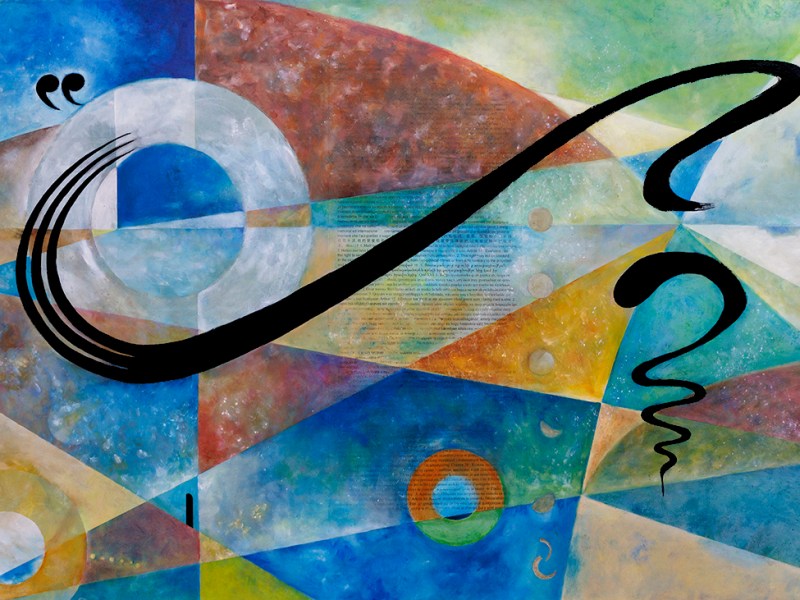
…Now Featuring… Artist Sabine Hartmann @ NO MIDDLEMAN ART GALLERY
Sabine Hartmann’sPortfolio © Sabine Hartmann

…Monthly Portfolio Selection… Artist Michael Vincent Manalo @ NO MIDDLEMAN ART GALLERY
Michael Vincent Manalo’sPortfolio © Michael Vincent Manalo
Handprints To AI Art Series – Who Created Art and Who Paid for It? Artists and Patrons from Ancient Egypt to Rome
Art reflects the society that creates it. By comparing the first civilizations of Mesopotamia and Egypt with the classical worlds of Greece and Rome, we discover not only how art changed, but also who commissioned it, who created it, and what life was like for the artists behind it. In Mesopotamia and Egypt, art was…
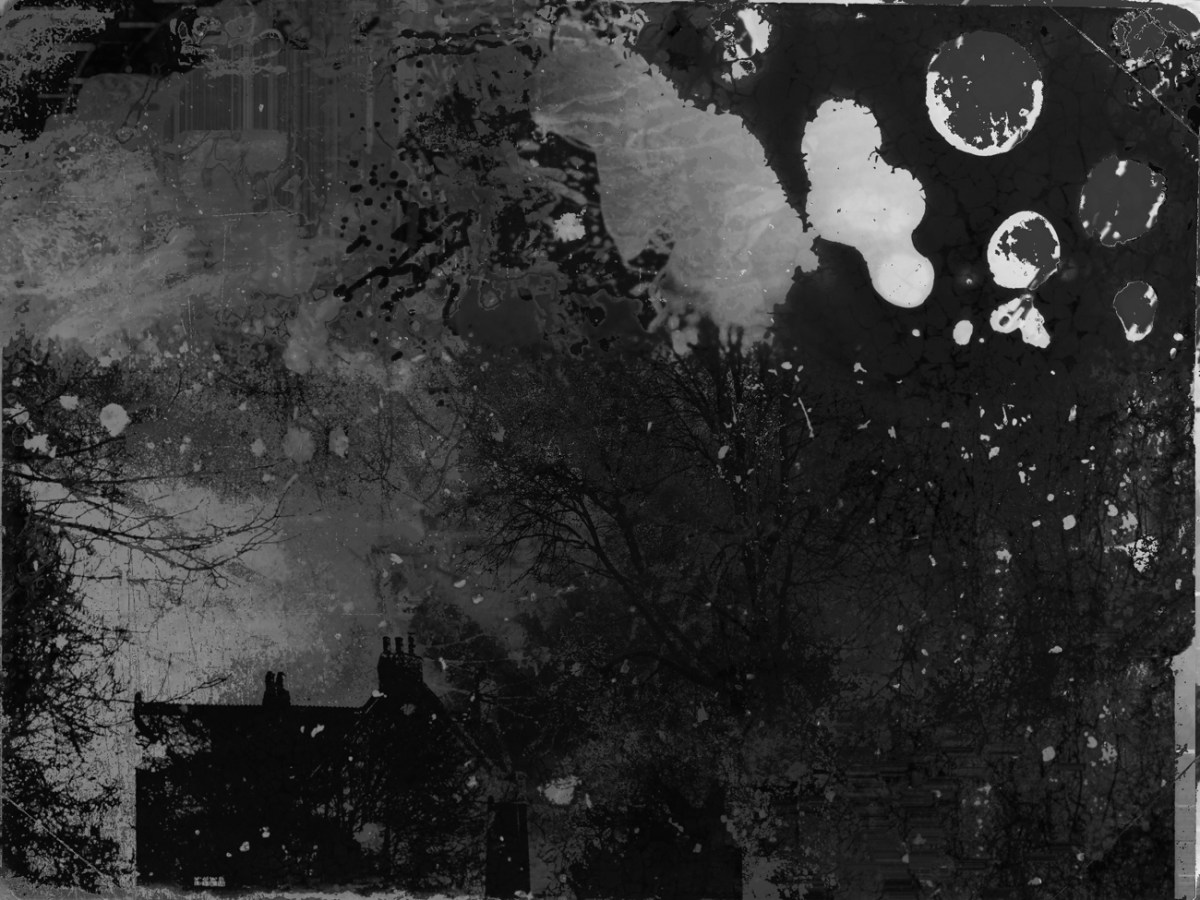
…Monthly Portfolio Selection… Artist Chris Friel @ NO MIDDLEMAN ART GALLERY
Chris Friel’sPortfolio © Chris Friel
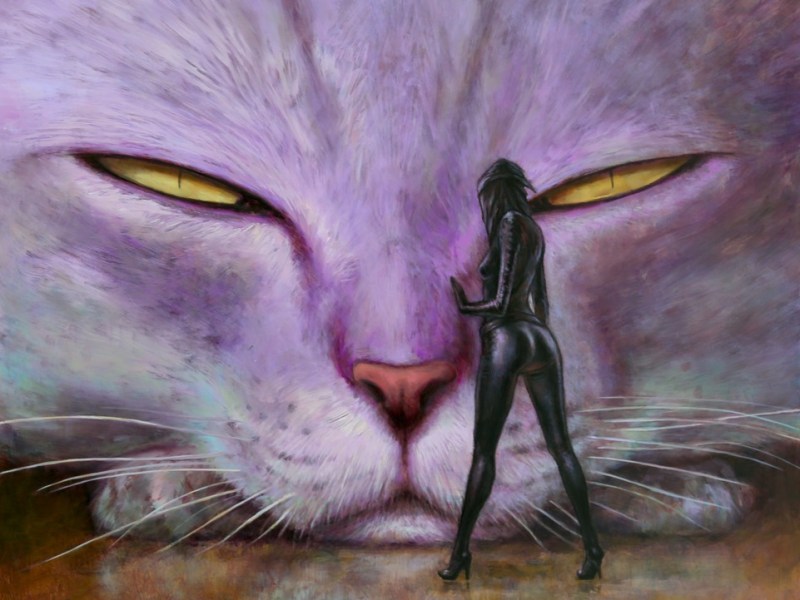
…Monthly Portfolio Selection… Artist Brad Gray @ NO MIDDLEMAN ART GALLERY
Brad Gray’sPortfolio © Brad Gray
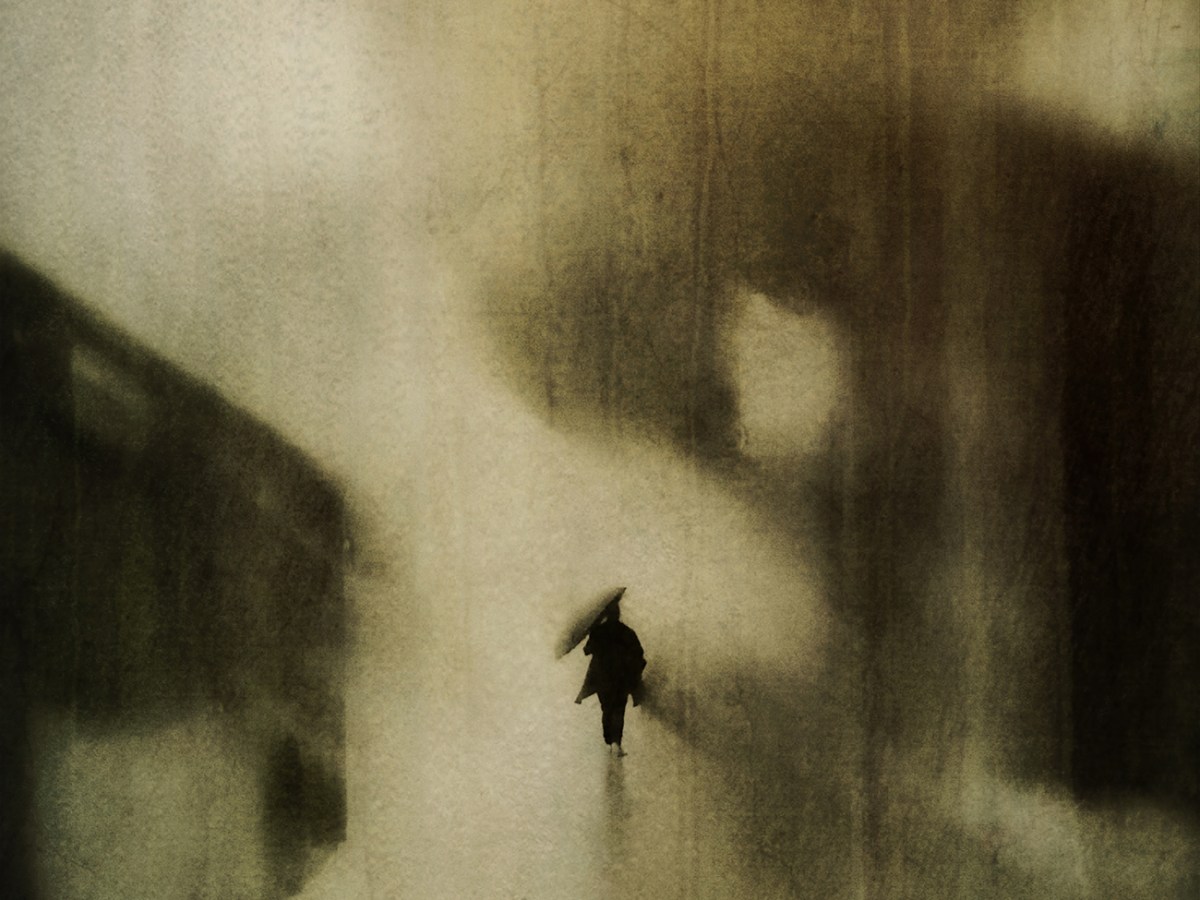
…Monthly Portfolio Selection… Artist Daniel Castonguay @ NO MIDDLEMAN ART GALLERY
Daniel Castonguay’sPortfolio ©Daniel Castonguay

…Monthly Portfolio Selection… Artist Mario Sánchez Nevado @ NO MIDDLEMAN ART GALLERY
Mario Sánchez Nevado’sPortfolio © Mario Sánchez Nevado
Handprints To AI Art Series – The Foundations of Western Art | The Birth of Classical Ideals
Art had already celebrated gods, rulers, and civilizations. Then the ancient Greeks and Romans introduced an idea that would influence artists for more than two thousand years: beauty could be studied, perfected, and understood. The artistic achievements of Ancient Greece and Ancient Rome are explored in the dedicated chapters linked below. Together, however, they established…
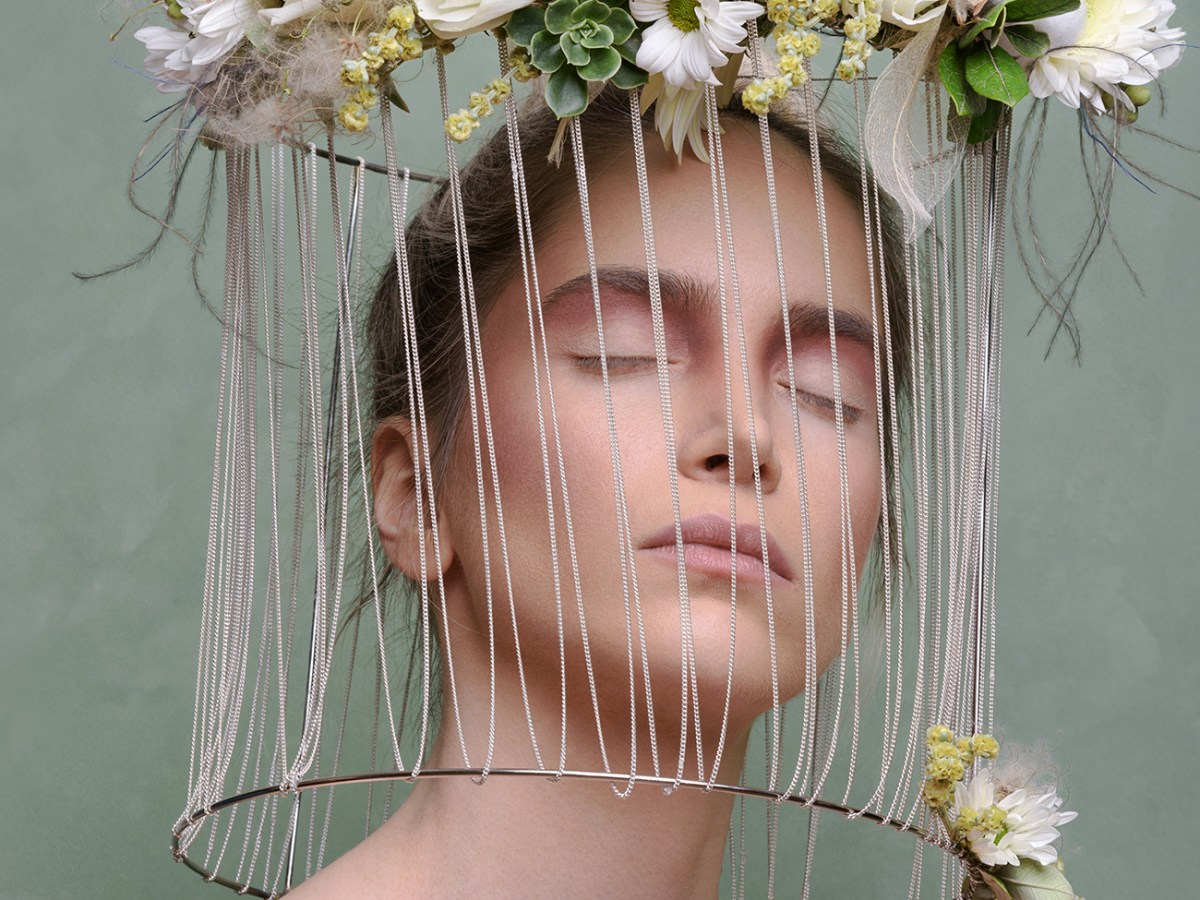
…Monthly Portfolio Selection… Artist Peyman Naderi @ NO MIDDLEMAN ART GALLERY
Peyman Naderi’sPortfolio © Peyman Naderi
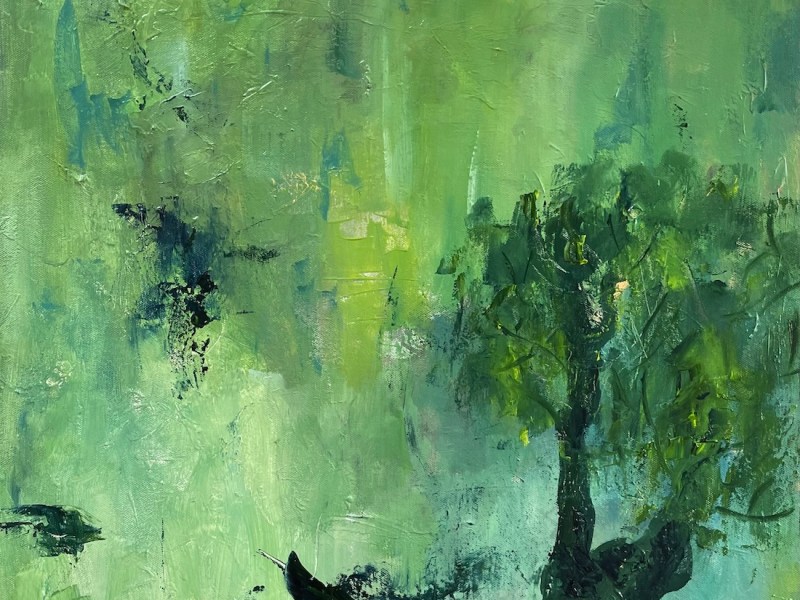
…Now Featuring… Artist Dominique Gentreau @ NO MIDDLEMAN ART GALLERY
Dominique Gentreau’sPortfolio © Dominique Gentreau

…Monthly Portfolio Selection… Artist Annette Schreiber @ NO MIDDLEMAN ART GALLERY
Annette Schreiber’sPortfolio ©Annette Schreiber
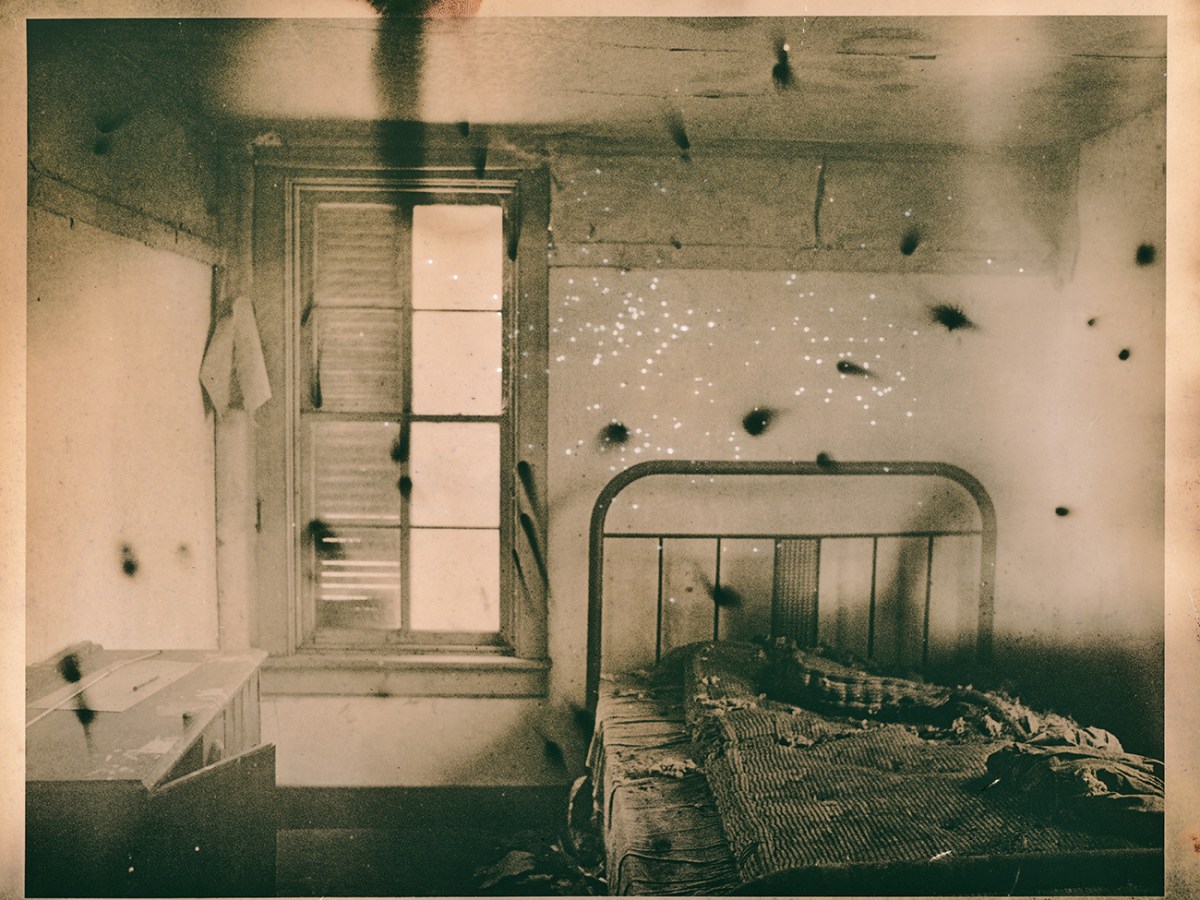
…Monthly Portfolio Selection… Artist Brian Henry @ NO MIDDLEMAN ART GALLERY
Brian Henry’sPortfolio © Brian Henry

…Monthly Portfolio Selection… Artist Polly Chandler @ NO MIDDLEMAN ART GALLERY
Polly Chandler’sPortfolio © Polly Chandler
Handprints To AI Art Series – Ancient Rome | Art as an Empire
Instead of copying Greek art, the Romans asked a different question: How can art help rule an empire? As Rome expanded across Europe, North Africa, and the Middle East, it absorbed artistic traditions from every conquered land. Greek sculpture, Egyptian symbolism, Etruscan craftsmanship, and local cultures blended into an artistic language that celebrated imperial power…
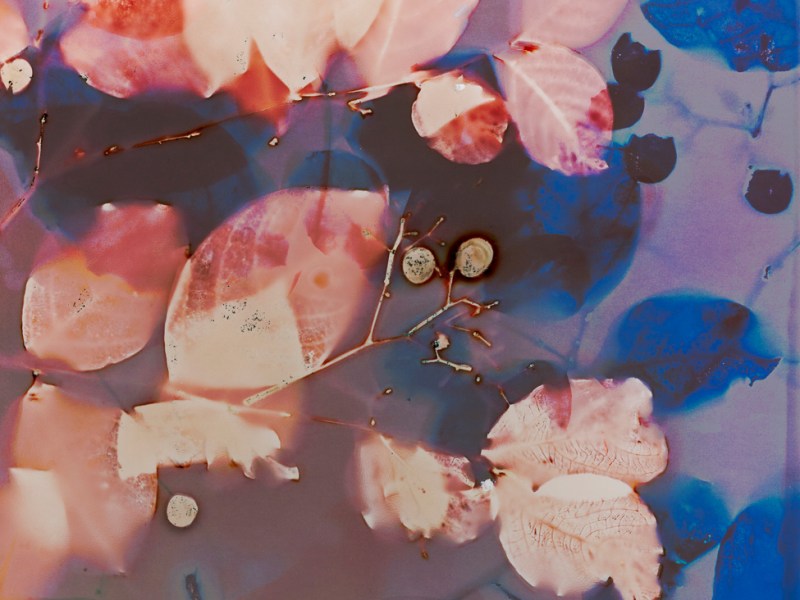
…Monthly Portfolio Selection… Artist Amy Kanka Valadarsky @ NO MIDDLEMAN ART GALLERY
Amy Kanka Valadarsky’sPortfolio ©Amy Kanka Valadarsky
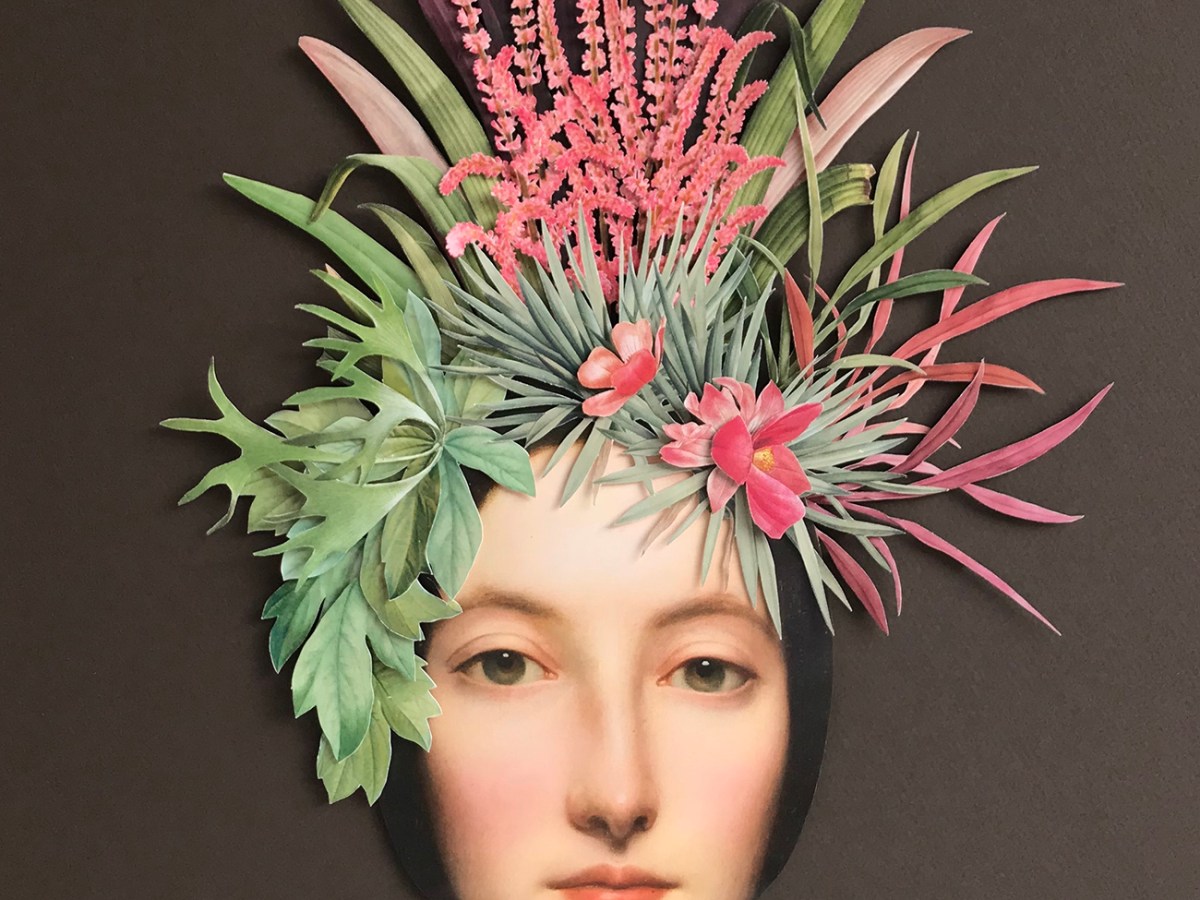
…Monthly Portfolio Selection… Artist Marta de los Pájaros @ NO MIDDLEMAN ART GALLERY
Marta de los Pájaros’Portfolio © Marta de los Pájaros
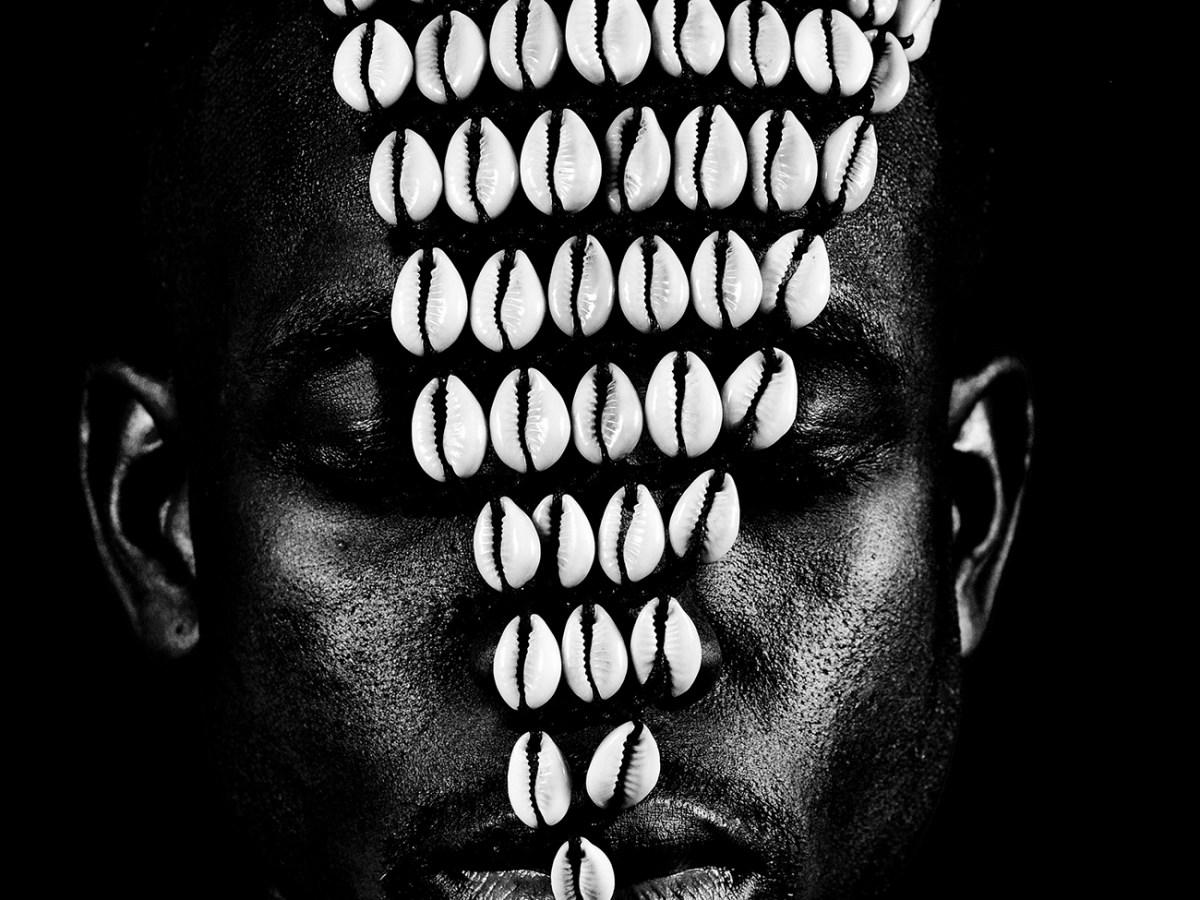
…Monthly Portfolio Selection… Artist Marta Azevedo @ NO MIDDLEMAN ART GALLERY
Marta Azevedo’sPortfolio ©Marta Azevedo
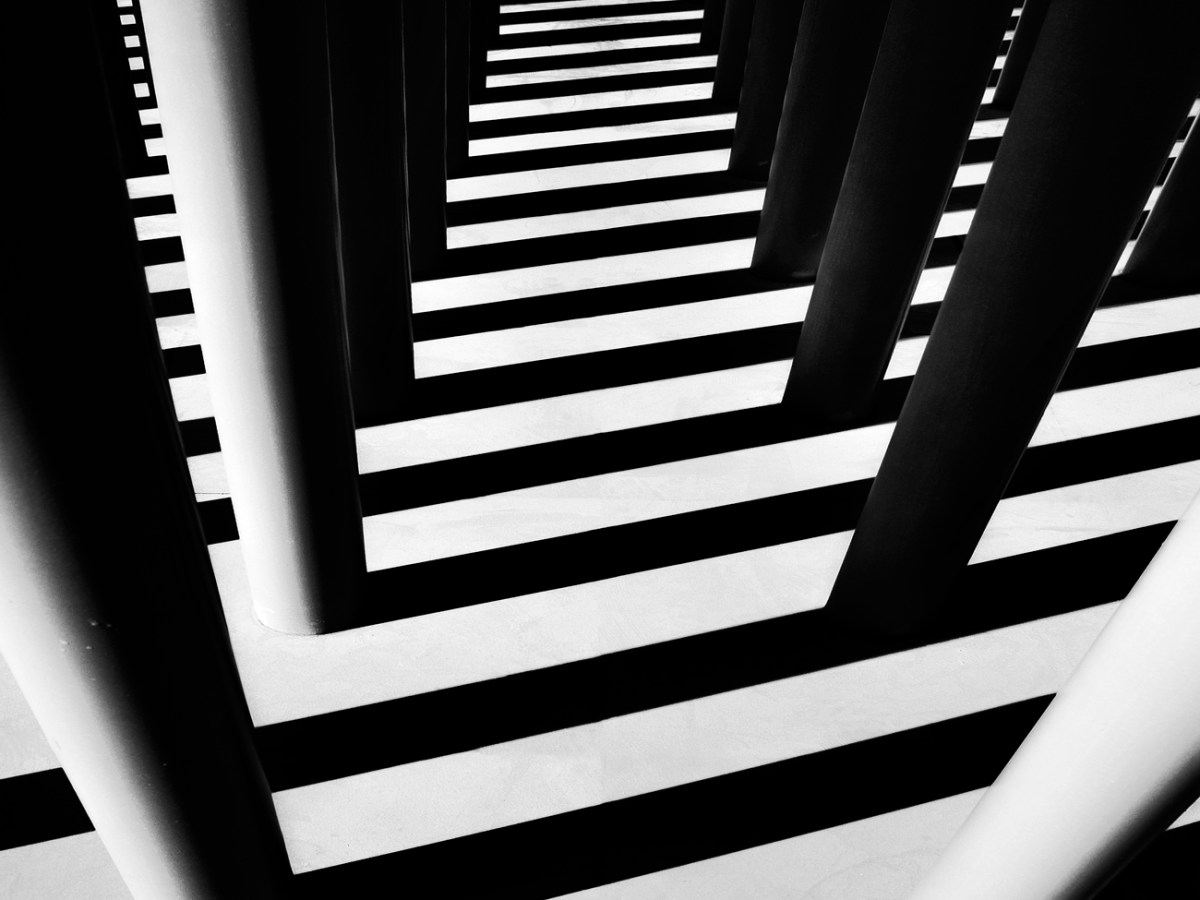
…Monthly Portfolio Selection… Artist Jose Conceptes @ NO MIDDLEMAN ART GALLERY
Jose Conceptes’Portfolio © Jose Conceptes
Handprints To AI Art Series – Ancient Greece | When Humanity Became the Ideal
What if perfection could be carved from stone? Ancient Greek artists believed it could, and their pursuit of ideal beauty transformed the history of art forever. Following the rise of the Greek city-states, artists gradually shifted their attention away from rigid symbolism toward observation, proportion, and the human body. Sculpture became increasingly lifelike, architecture embraced…
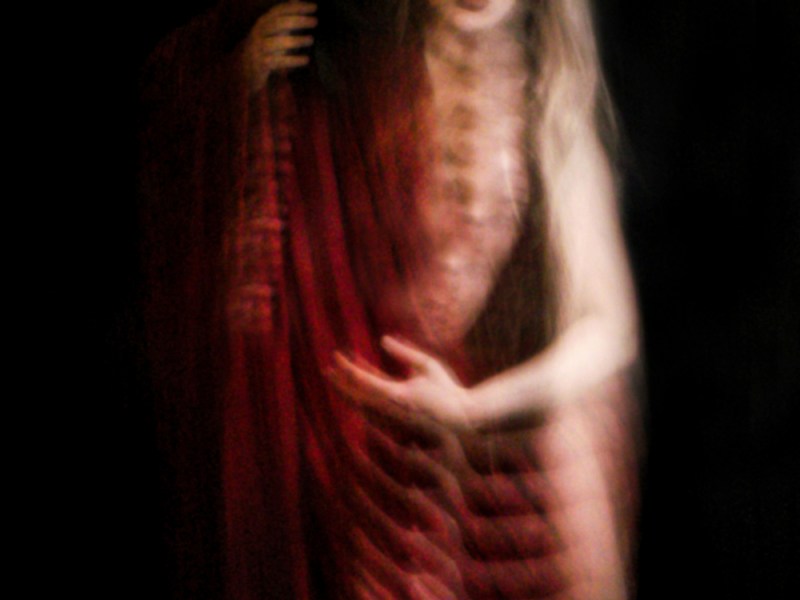
…Monthly Portfolio Selection… Artist Kalliope Amorphous @ NO MIDDLEMAN ART GALLERY
Kalliope Amorphous’sPortfolio © Kalliope Amorphous

…Monthly Portfolio Selection… Artist Shinya Masuda @ NO MIDDLEMAN ART GALLERY
Shinya Masuda’sPortfolio © Shinya Masuda

…Monthly Portfolio Selection… Artist Sari Piek @ NO MIDDLEMAN ART GALLERY
Sari Piek’sPortfolio © Sari Piek
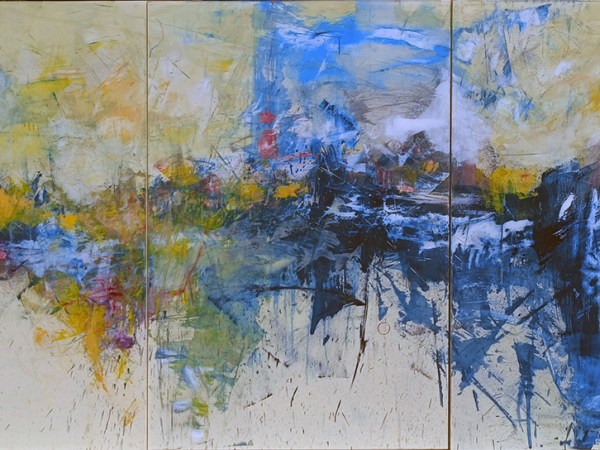
…Now Featuring… Artist Didier Goessens @ NO MIDDLEMAN ART GALLERY
Didier Goessens’Portfolio © Didier Goessens
Handprints To AI Art Series | Art You Can Still See Today: Mesopotamian Art
Mesopotamian art is one of the earliest artistic traditions in history, created by the civilizations of Sumer, Akkad, Babylon, and Assyria. Because many works were made from mud brick, a material vulnerable to time and weather, fewer complete monuments survive compared with ancient Egypt. However, the surviving temples, sculptures, and architectural remains reveal the remarkable…
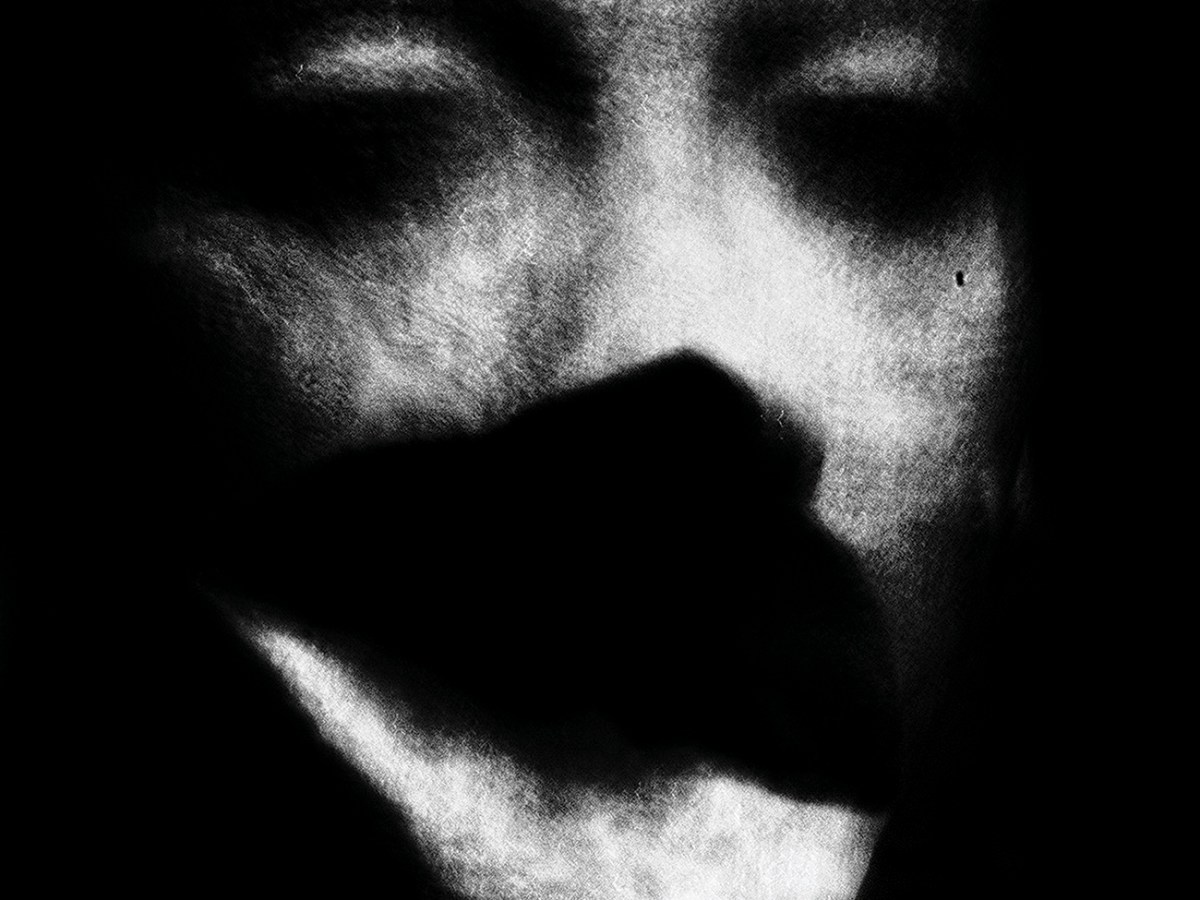
…Monthly Portfolio Selection… Artist Valerie Kabis @ NO MIDDLEMAN ART GALLERY
Valerie Kabis’Portfolio © Valerie Kabis
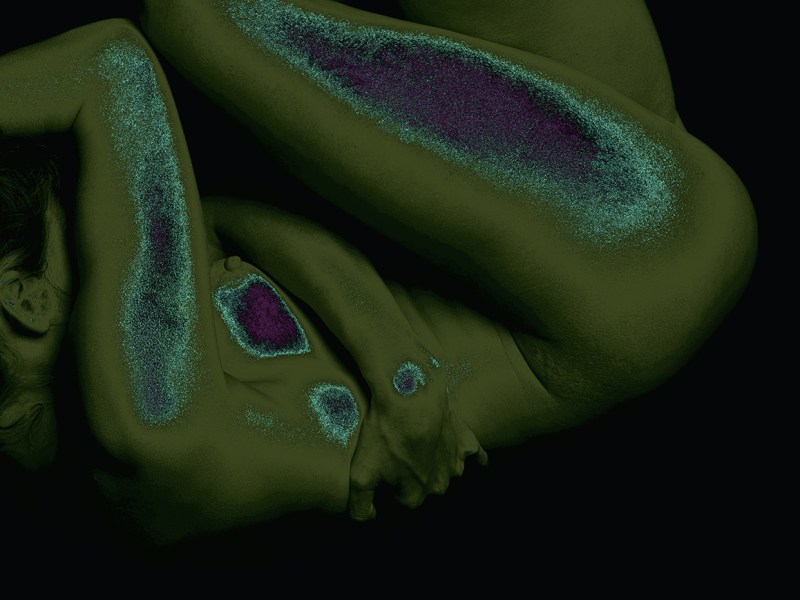
…Monthly Portfolio Selection… Artist Jaime Travezán @ NO MIDDLEMAN ART GALLERY
Jaime Travezán’sPortfolio © Jaime Travezán
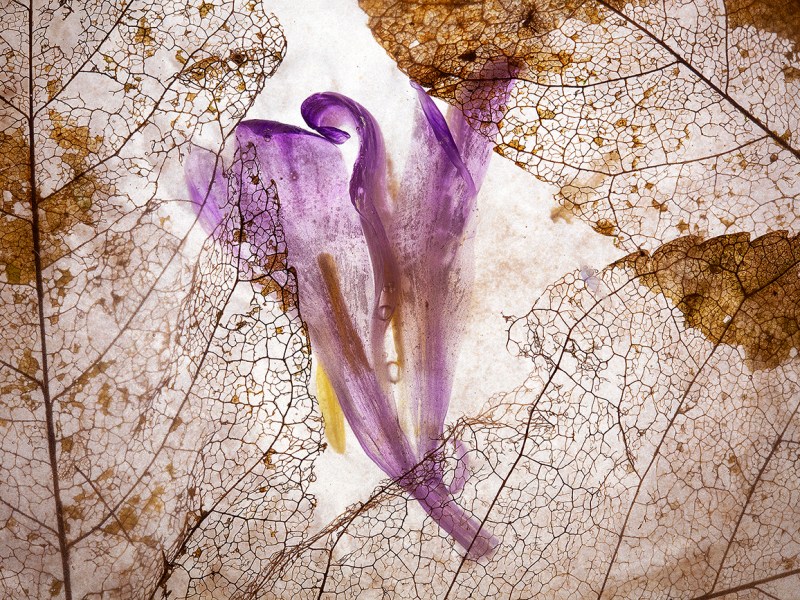
…Monthly Portfolio Selection… Artist Maja Strgar Kurecic @ NO MIDDLEMAN ART GALLERY
Maja Strgar Kurecic’sPortfolio © Maja Strgar Kurecic
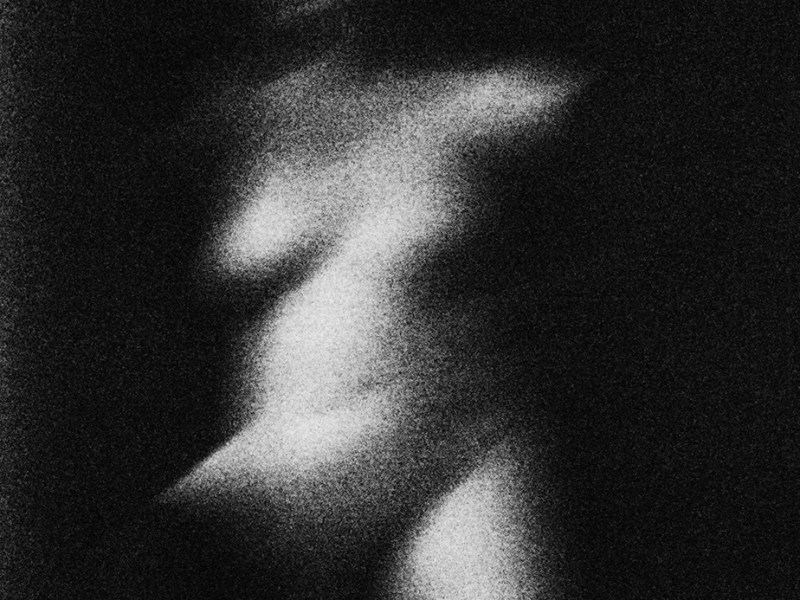
…Monthly Portfolio Selection… Artist Nasos Karabelas @ NO MIDDLEMAN ART GALLERY
Nasos Karabelas’Portfolio © Nasos Karabelas
Handprints To AI Art Series | Art You Can Still See Today: Ancient Egyptian Art
Few artistic traditions have survived as impressively as those of Ancient Egypt. Dry desert conditions, durable stone construction, and a culture that valued permanence have allowed some extraordinary monuments to remain remarkably intact. The examples below are ranked by how closely they preserve their original appearance. Tomb of Queen Nefertari (Valley of the Queens) Preservation…
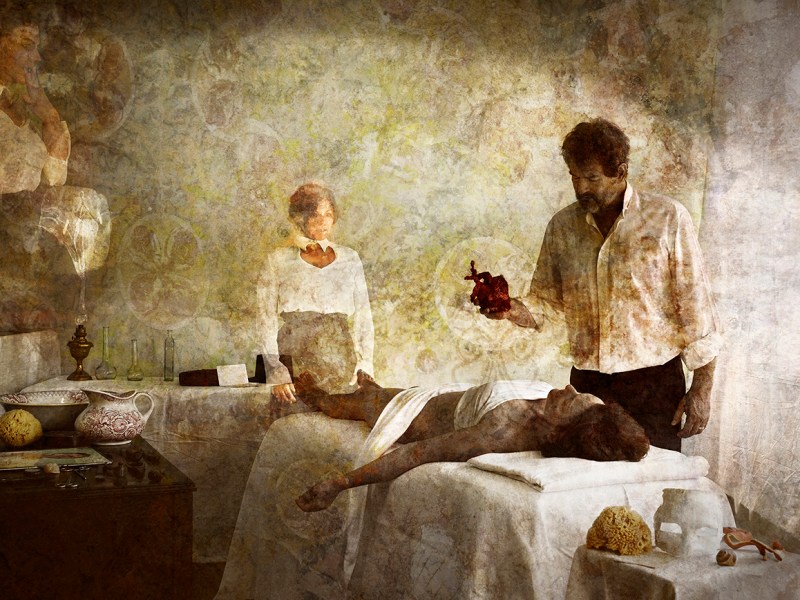
…Monthly Portfolio Selection… Artist Runeda @ NO MIDDLEMAN ART GALLERY
Runeda’sPortfolio © Runeda
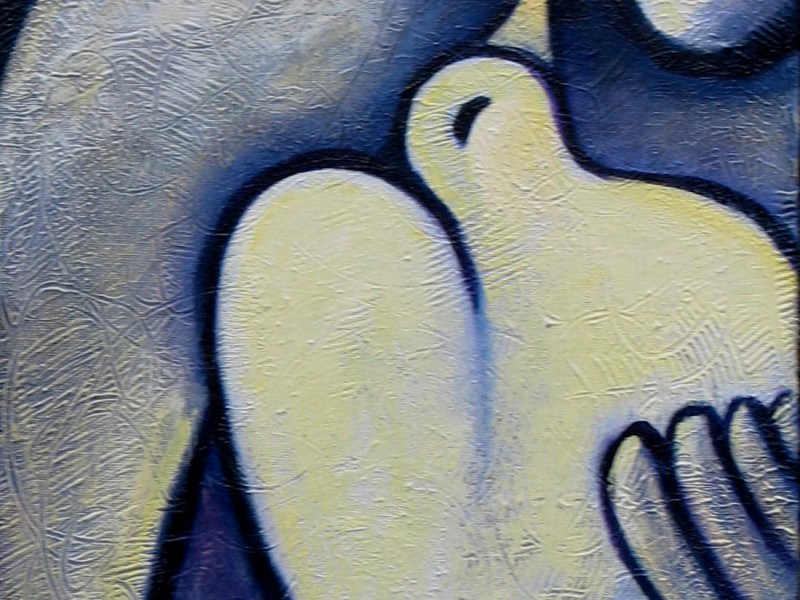
…Monthly Portfolio Selection…Artist Sophia Rosenberg @ NO MIDDLEMAN ART GALLERY
Sophia Rosenberg’sPortfolio ©Sophia Rosenberg
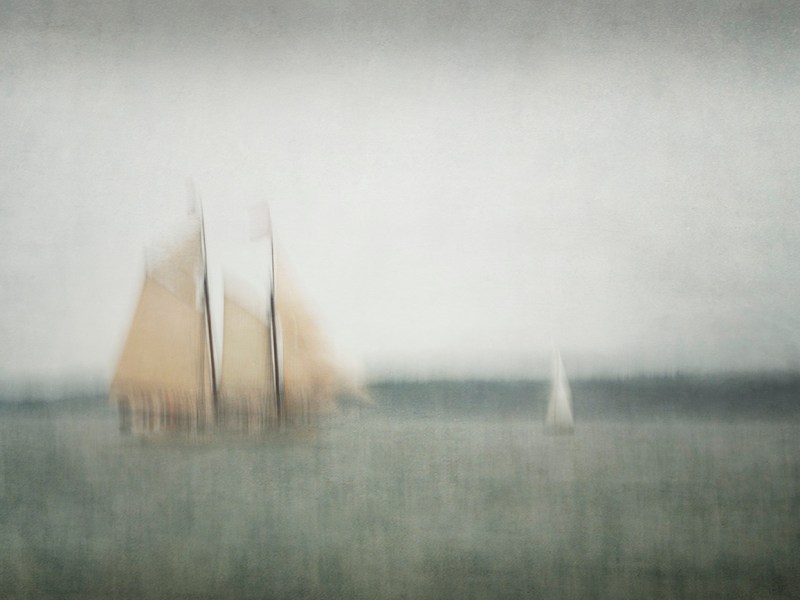
…Monthly Portfolio Selection… Artist Olga Merrill @ NO MIDDLEMAN ART GALLERY
Olga Merrill’sPortfolio © Olga Merrill

…Monthly Portfolio Selection… Artist Vicky Martin @ NO MIDDLEMAN ART GALLERY
Vicky Martin’sPortfolio © Vicky Martin
Handprints To AI Art Series | Prehistoric Art You Can Still See Today: Remarkable Survivors of Humanity’s First Artists
Although prehistoric societies left no written records, some of their greatest artistic achievements have survived for thousands of years. The sites below are ranked by how closely they resemble their original appearance, based on current archaeological research and conservation assessments. Cave of Altamira Preservation Rating: 95% Location: Cantabria, Spain Age: Approximately 36,000–14,000 years old Original…
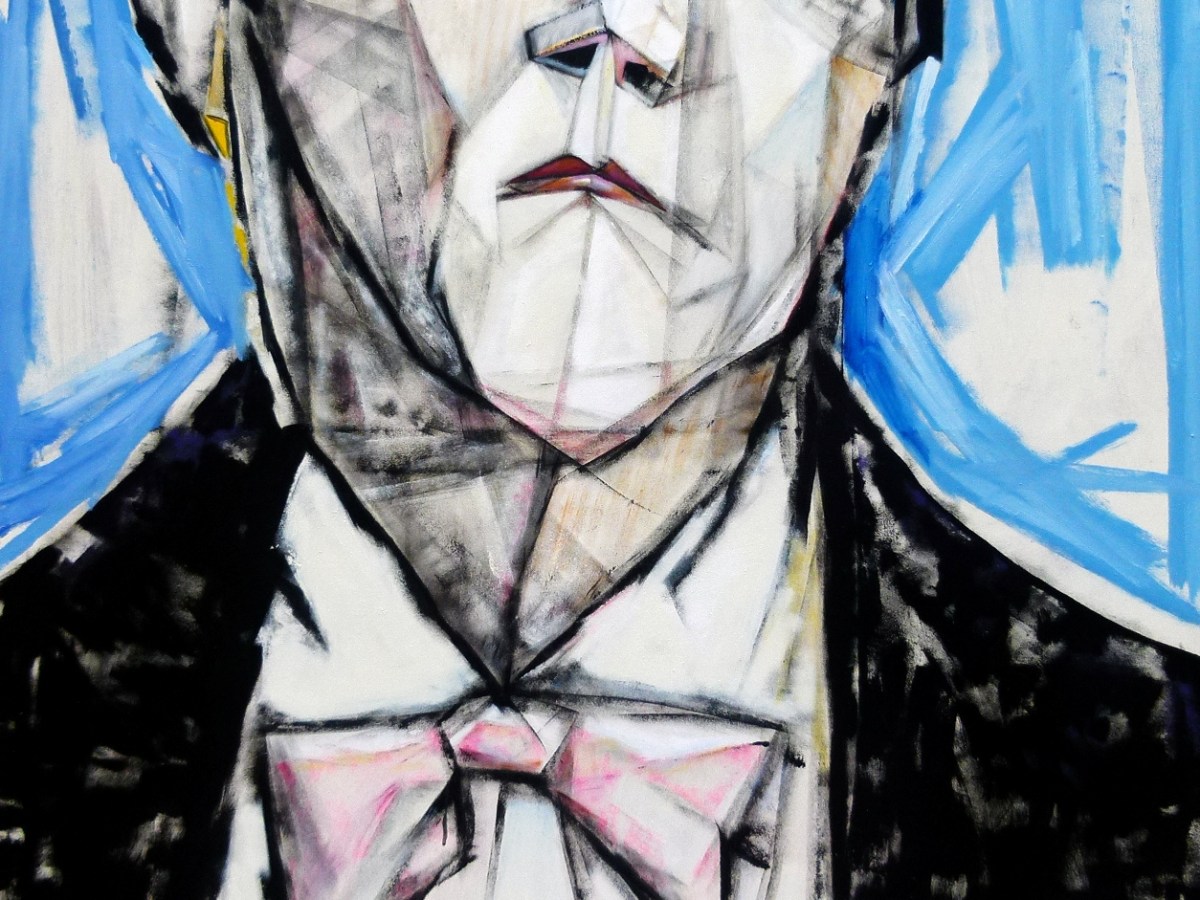
…Monthly Portfolio Selection… Artist Javier Lesaka @ NO MIDDLEMAN ART GALLERY
Javier Lesaka’sPortfolio © Javier Lesaka

